Filter By:
Type
State
Priority
Posted On
Search Results
Casa Do Petisco, Berkeley
With the help of our ReThink Disposable Zero Waste Specialists, Casa Do Petisco is eliminating 24,074 individual pieces of single use disposables (754 pounds, or the weight of a baby grand piano!) from the waste stream and will be saving $3,005 annually, which can be reinvested into the business. They were able to cut their disposable usage by 52% annually.
Casa Do Petisco is another example of how just a few changes can make a big impact.
Business Profile:
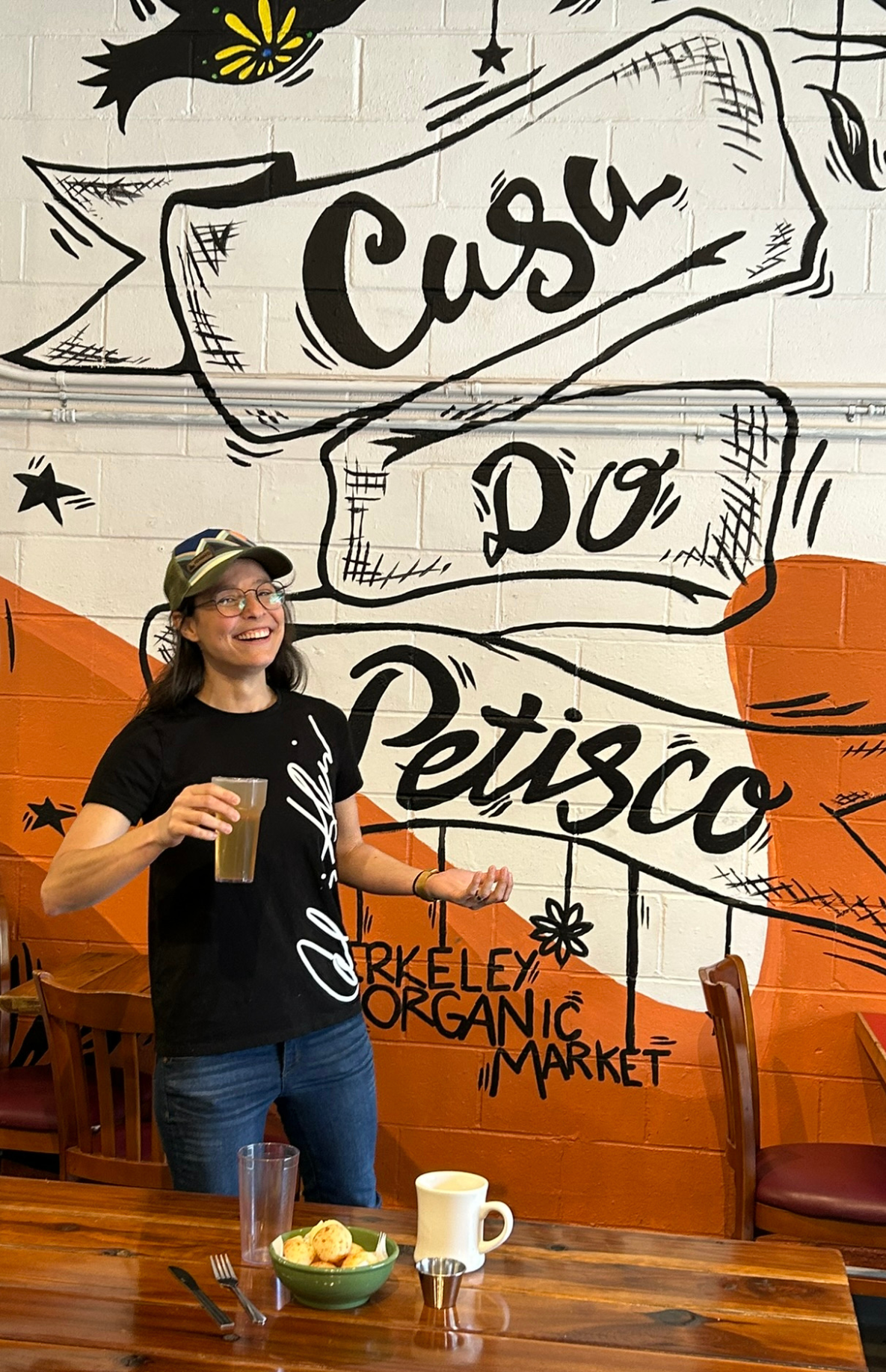
Casa Do Petisco has become a place of community, bringing Brazilian cultural staples, flare, and food to the Elmood District of Berkeley. Not only do they have a restaurant and local market (Berkeley Organic Market) including Brazilian goods, but they also regularly host open community events with food and live music.
Packaging practices prior to ReThink Disposable:
- Fiber clamshells
- Disposable coffee cups
- Coffee cup lids
- Paper sauce cups
- Plastic packaged cutlery
Recommendations Implemented:
- Ceramic bowls
- Stoneware coffee mugs
- Stainless steel sauce cups
- Stainless steel forks & knives
Before & After


Document
Business Information:
2642 Ashby Ave
Berkeley, CA 94705
United States
The Bottom Line
Casa Do Pestico switched 52% of their disposable foodware to reusable for their dine-in guests, which results in over $3,000 in savings annually for the restaurant.
$3,005
net annual savings
24,074
disposable items reduced per year
52%
reduction in use of disposables
The biggest difference I've noticed is in our purchasing of coffee cups, to-go clamshells, and to-go silverware. We love having real plates, bowls, and silverware for our guests. It elevates their experience of our business and helps us reduce waste. We especially loved that you worked with us to pick items that fit our practical needs and aesthetics.

Reducing Single-Use Food Packaging
ReThink Disposable works with local governments, businesses and institutions, and consumers of single use food packaging to inspire a cultural shift away from single-use "throwaway" lifestyle.
Harrington Elementary School, Lexington, MA
Harrington Elementary School, located in Lexington, Massachusetts, enrolls 363 students. It is the second school in the district to transition to reusable trays and cutlery in the cafeteria, after the 2020 construction of a new Hastings Elementary. Harrington was identified as an ideal candidate to renovate the existing kitchen since the location had a broken under-thecounter dishwasher and access to plumbing infrastructure.
The goal became to replace the broken dishwasher with a new hightemperature, ventless, energy-efficient, stand-up model. With support from Lexington’s State Representative Michelle Ciccolo, $25,000 was allocated in the State Budget for the purchase of the dish machine, and a generous grant from the Community Endowment of Lexington for $10,000 funded the purchase of stainless-steel Ahimsa trays, forks, spoons, and additional reuse equipment. The cost of installation, which increased from initial estimates due to electrical and plumbing upgrades, was covered by the district’s School Lunch Revolving Account, totaling $45,000. This investment also streamlined kitchen operations, removing unused equipment, freeing up space, and allowing staff to wash pots and pans in a dish machine, whereas previously they had been hand-washing all serviceware.
Business Profile:
- Name: Harrington Elementary School
- Location: Lexington, MA
- On-site Dining: Yes
- Take-out: No
- Warewashing: Champion Commercial, Dishwasher Model No. DH-6000T-VHR
- Employees: 3 kitchen staff, 1 dishwasher, 2 waste monitors daily (volunteer/staff)
Packaging practices prior to ReThink Disposable:
- Single-use BPI-certified 5-compartment compostable tray
- Single-use BPI-certified compostable fork
- Single-use BPI-certified compostable spoon
Recommendations Implemented:
- Stainless-steel 5-compartment Ahimsa tray
- Stainless-steel Ahimsa fork
- Stainless-steel Ahimsa spoon
Images below: Single-use trays, forks and spoons were replaced with reusable stainless steel serviceware, and a new warewashing machine.
Before & After


Business Information:
Harrington, MA
United States
The Bottom Line
The bottom line is $3,696 in annual net savings, achieved by eliminating 175,500 disposable items and 2 tons of waste per year, adding $1,000 in compost-hauling savings, and recouping reusable foodware costs in just 3.2 months while supporting a new part-time dishwashing position.
$3,696
Total annual net cost savings
175,500
Disposable items reduced per year
2 tons
Annual waste reduction
I am incredibly proud that our school is helping to lead the way in reducing trash and waste. In doing so, we are not only protecting the environment but also saving taxpayer dollars. I am grateful to Clean Water Action for coordinating this initiative, to State Representative Ciccolo for securing funding, and to the Community Endowment of Lexington for providing the new trays and utensils. This work is especially meaningful because our students understand its impact. As members of Harrington’s Sustainability Team shared, ‘We like the new dishwasher because it’s better for the environment since we’re not throwing anything away. This is better for the future because the compostable trays we used before caused pollution when they were produced. Using reusable trays can help slow down global warming.’ Each day at lunch, our students are learning what it means to care for their wider community.
Reducing Single-Use Food Packaging
ReThink Disposable works with local governments, businesses and institutions, and consumers of single use food packaging to inspire a cultural shift away from single-use "throwaway" lifestyle.
Nicole Estey
Based in western Massachusetts, Nicole brings a strong blend of financial knowledge and a deep commitment to environmental protection to her role, supporting financial and administrative operations across Massachusetts, Rhode Island, and Connecticut.
Gage Frank
Gage brings more than a decade of experience in fundraising, communications, and public-interest work across the nonprofit, government, corporate, and political sectors to Clean Water Action's team.
La Enramada Restaurant y Taqueria, San Jose
With the help of our ReThink Disposable Zero Waste Specialists, La Enramada is eliminating 4,840 pounds (the weight of three grand pianos!) from the waste stream, and the business is saving $15,427 annually that can be reinvested into other upgrades to the space. We can see that they were able to cut their disposable usage by 82% and totally eliminate disposable usage for dine-in service, now only utilizing single-use for take-out.
With generous support from Silicon Valley Community Foundation, our team has taken ReThink Disposable to San Jose. We teamed up with three restaurants in the San Jose community — Korean Palace, La Enramada, and Thai Chili Express — to reduce single-use disposable waste by over 381,376 individual pieces and over 5,695 pounds annually. After the conversions to resuable items, this group of restaurants will collectively be saving over $17,000 every year by purchasing fewer disposables — dramatically reducing plastic pollution in their operations, and providing real-time examples of businesses that are both eco-friendly and economical in San Jose. Read the full San Jose Community Restaurants case study here.
Business Profile:
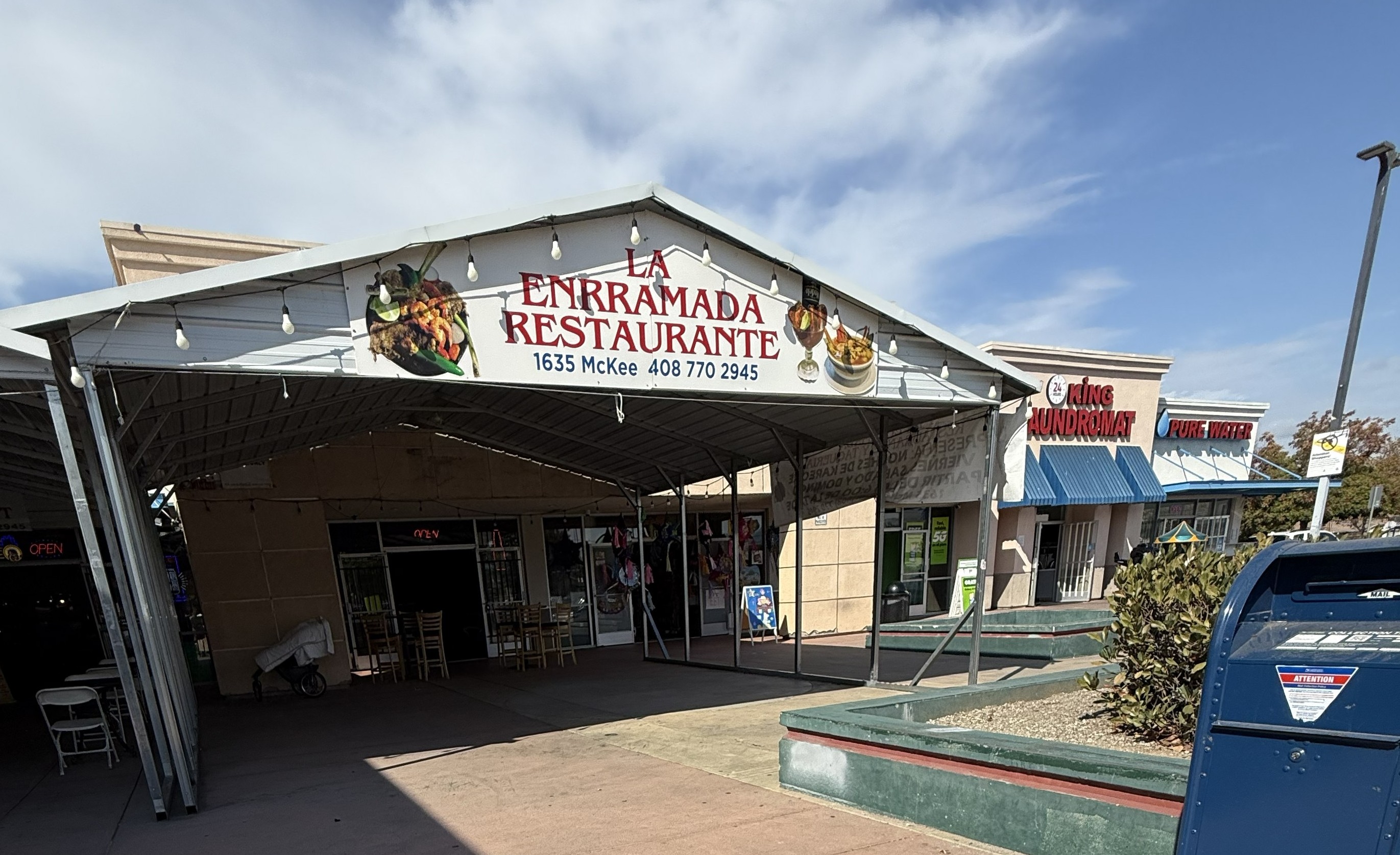
La Enramada Restaurant y Taqueria is a community favorite in San Jose, California. The locals enjoy Brazilian caldo de pollo and authentic enchiladas Michoacanas along with delectable fish dishes. The restaurant utilizes a three-sink system and has seamlessly incorporated their new reusable foodware into their dishwashing duties.
Packaging practices prior to ReThink Disposable:
- Plastic fork
- Plastic knife
- Plastic spoon
- Plastic sauce cup
- 24 oz. paper cold cup
- 32 oz. paper cold cup
- Paper hot cup
- Coffee cup sleeve
- Plastic straw (paper-wrapped)
Recommendations Implemented:
- Stainless steel fork
- Stainless steel knife
- Stainless steel spoon
- Stainless steel sauce cup
- 24 oz. tumbler
- 32 oz. tumbler
- Porcelain mug and saucer
- Glass straw
Before & After


Document
RT-CA-La Enmarada Case Study - SVCF.pdf
(4.71 MB)
Business Information:
1635 McKee Rd
San Jose, CA 95116
United States
The Bottom Line
La Enramada's conversion will save the restaurant over $15,000 annually and means that 360,834 pieces of trash are no longer being thrown away every year.
360,834
disposable items reduced per year
$15,426
net annual savings
0.4 months
payback period before seeing savings
We stopped using all that plastic and paper—utensils, cups, straws—and switched to stainless steel, glass, and ceramic; it feels good, it looks better, and our customers notice the difference. For us, it’s about respect for the food and the planet.
Reducing Single-Use Food Packaging
ReThink Disposable works with local governments, businesses and institutions, and consumers of single use food packaging to inspire a cultural shift away from single-use "throwaway" lifestyle.