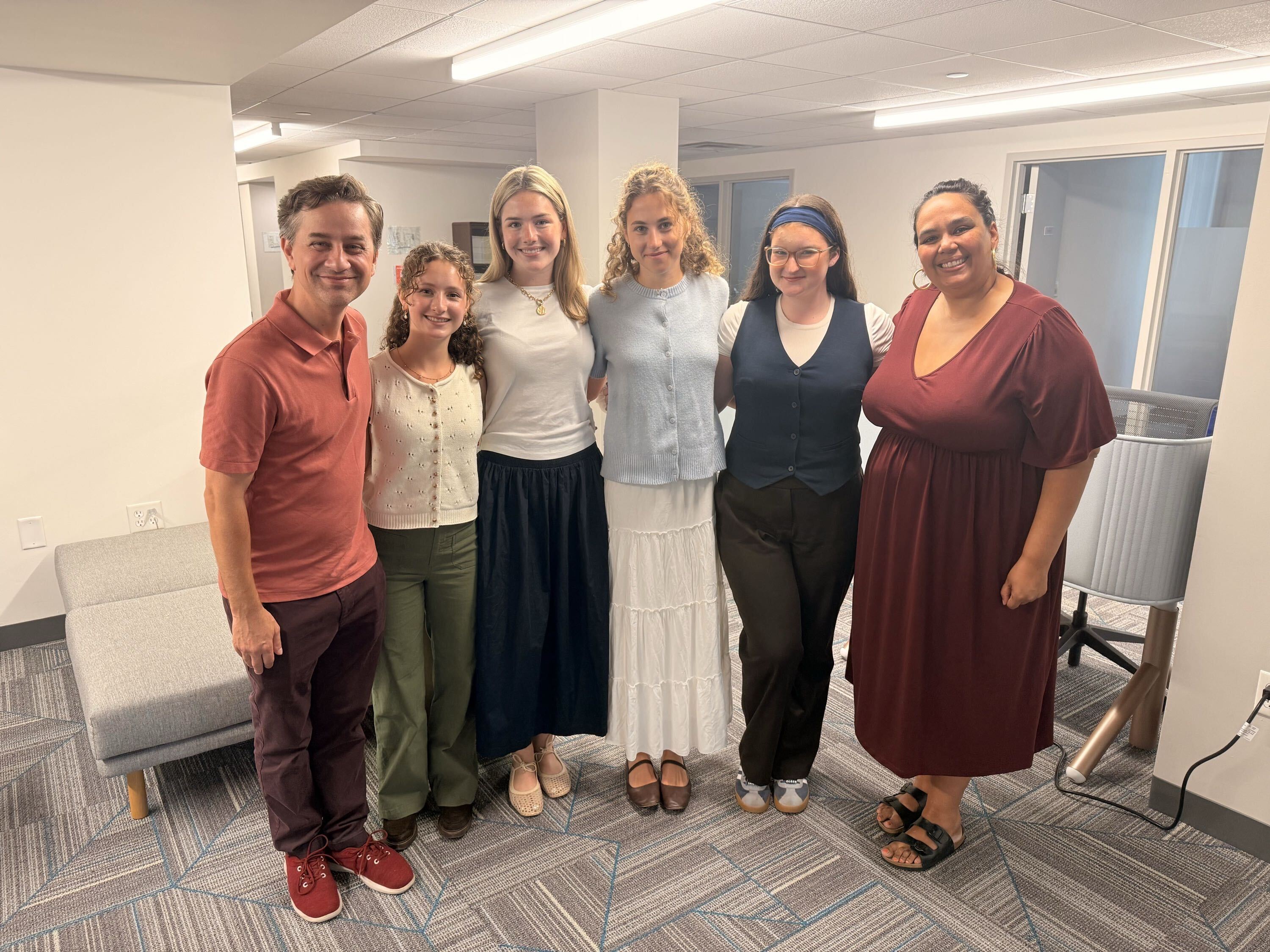
I went into my Clean Water Action internship knowing that elections shape environmental policy. What I had not understood was how much work it takes to get past a candidate’s promises and into the details of how they will fight for Massachusetts’ environment.
As an Elections Intern, I helped with candidate questionnaires, sat in on candidate interviews, and joined Elections Committee discussions. What initially sounded like a series of straightforward assignments exposed a much bigger question: What do we actually know about a candidate once we look "beyond their campaign website?"
Before the endorsement process began, there was a lot of groundwork. Clean Water Action tracks every legislative seat and statewide race in-house, scouring newspaper reports, OCPF filings, and candidate websites to identify and follow candidates. Few organizations attempt this because it is so hard to get right, and the tracker took several weeks to build and populate before I joined the effort.
We track these races so that we have better information when deciding which ones to target with candidate questionnaires. Clean Water Action develops separate questionnaires for state legislative, statewide, and federal candidates, tailored to the responsibilities and policy decisions of each office.
Our state legislative questionnaire is particularly comprehensive, with more than two dozen questions examining candidates' policy positions, legislative priorities, and understanding of critical environmental issues. Candidates are asked to explain their positions on issues such as plastic recycling, gas infrastructure, nuclear energy, energy efficiency, air quality, PFAS, data centers, and access to clean water. Their responses help us evaluate how prepared they are to address the environmental challenges facing Massachusetts communities.
The questionnaire was just the beginning. Often, when we wanted to go deeper on an issue with a candidate or in a race, we invited them to sit down with us for interviews.
Those interviews brought those campaign promises into focus. While face–to-face with a candidate, we could return to their questionnaire submissions and ask, “What would you actually do?"
The more I worked on the process, the less interested I became in whether an answer simply sounded good. I wanted to understand how candidates planned to deliver on their promises.
“These are the kinds of questions only a respected advocacy organization with strong brand equity inside of the legislature can ask and expect to receive honest answers.” — Brad Dye, Chair of Massachusetts Elections Team
While candidates answered our questions, we were also doing extensive research of our own, which could occasionally get messy.
As we reviewed candidates’ professional histories, legislative records, and campaign responses, we occasionally found areas where we wanted more clarity. Sometimes that meant better understanding a candidate’s approach to a particular environmental issue, learning more about their campaign’s path to victory, or exploring how their past decisions might inform their future priorities. These conversations helped us build a fuller picture of each candidate and make more informed endorsement decisions.
The Massachusetts legislative process added another layer of complexity to our evaluations. Introducing a bill is just the first step. We wanted to understand which legislators were actively working to deliver environmental wins. That means building coalitions, developing effective strategies, being a visible champion for environmental issues, and making incremental progress in an ever-shifting political landscape. We were looking for candidates who understood how to turn legislative priorities into meaningful policy victories.
To untangle this pile of questionnaire responses, interviews, and research, we assembled the Elections Committee. This is where the process shifted from staff-led research to a dedicated group of trusted volunteers who brought diverse backgrounds, generations, political perspectives, and professional experiences to the table. Committee members dove into the research, evaluating candidates through a series of meetings, thoughtful debates, shared perspectives, and votes. This diversity of voices and collective decision-making is one of the greatest strengths of our endorsement process.
“This process is intentionally rigorous. Our members deserve that level of diligence, and the candidates seeking our endorsement should expect it. An endorsement from Clean Water Action carries the weight of the members we represent and the trust they've placed in us." — Cynthia Mendes, Clean Water Action Massachusetts Director
Candidates are real people with real and sometimes complicated histories. No single race this cycle was a perfect one. Some candidates actively sought Clean Water Action’s endorsement, while others just assumed they should automatically receive it.
These assumptions and expectations from candidates were some of the most uncomfortable parts of the internship and some of the most valuable. Asking tough questions, examining candidates’ records, and challenging expectations took time and thoughtful debate. But that work was essential to making endorsement decisions we could stand behind. Advocacy organizations have a responsibility to carefully evaluate candidates, not simply validate them.
My own environmental journey began in a much simpler place. Bringing reusable bags and reducing plastic waste gave me a tangible way to act on my concerns about the environment, and I still believe those choices matter. But this internship showed me that individual actions are only a small piece of the puzzle: political decisions and institutions shape our shared future.
The result? Of the 27 candidates Clean Water Action endorsed, 21 have been elected.
To everyone who cast a ballot, thank you. Election Day may end a campaign, but the responsibility to deliver on its promises has only just begun, and we’ll be at the State House making sure our endorsed representatives are fighting for clean water, clean energy, and climate justice!


