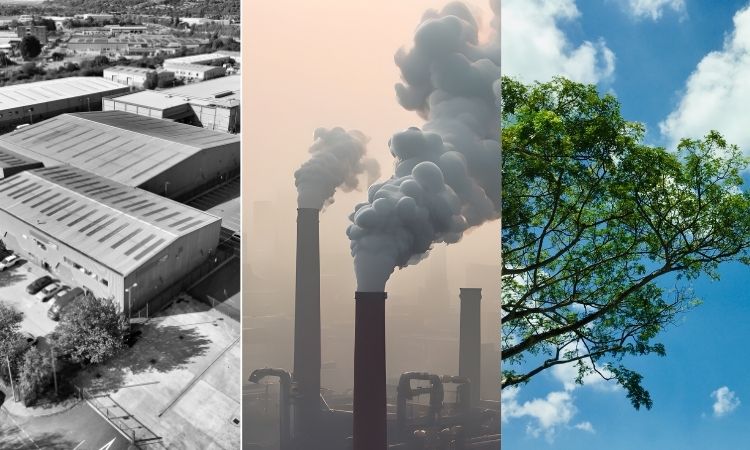
Warehouses are once again dominating headlines, and for New Jersey, that’s nothing new. As we close out Earth Month, it’s worth taking a moment to reflect on how this ongoing issue continues to impact our communities.
Over the past six years, warehouse development has surged across the state. But for many New Jersey residents, especially those in already overburdened urban communities, this isn’t a new problem. It’s part of a decades-long pattern of environmental inequality.
Historically, warehouses have been concentrated in these overburdened neighborhoods. Now, that footprint is expanding into more rural parts of the state. In response, communities across New Jersey have organized and pushed back, successfully stopping some proposed developments. Still, many approved warehouses remain vacant, fueling frustration and raising questions about local zoning decisions and long-term planning.
At the same time, the national political climate is adding new layers of concern. Reports of ICE detaining warehouse workers, along with the conversion of warehouses into ICE detention centers and AI data facilities, have intensified public scrutiny. Recent warehouse fires across the state have only deepened concerns about safety and oversight.
While communities are pushing back against these atrocities and environmental degradation concerns surrounding warehouses recently, there are still ongoing environmental injustices happening for frontline communities and workers that bear the most burdens from just living and working in close proximity to warehouses, ports and other areas where high truck traffic is associated with goods movement.
Diesel Pollution from NJ’s Goods Movement system, which includes, warehouses, ports, etc., is not regulated in NJ despite it being a direct link to health harms like asthma, lung cancer and stroke in addition to contributing towards GHG emissions making climate change worse.
Clean Water Action has launched a new campaign to tackle New Jersey’s growing diesel pollution crisis. A key part of this effort is advocating for Kids Clean Air Zones, policies that reroute truck traffic away from sensitive areas such as schools, community centers, and playgrounds. By reducing children’s exposure to harmful diesel emissions, this initiative aims to improve air quality and protect the health of New Jersey’s most vulnerable residents: our kids!
Take Action
As we wrap up Earth Month, you can help us build momentum for this campaign. Take a few minutes to complete our Diesel Pollution Survey and join the movement for cleaner air and healthier communities across New Jersey.
Together, we can create a future where no community is overburdened, and every child can breathe easier.


