Filter By:
Type
State
Priority
Posted On
Search Results
A Magical Night with Houston Trio Traveler to Benefit Clean Water Action
Local Houston trio, Traveler, will host an evening of original music performance at the legendary Anderson Fair venue in the Montrose neighborhood of Houston on Saturday, September 21st, 7-10pm. Donations for tickets will be directed to the Texas office of Clean Water Action & Clean Water Fund.
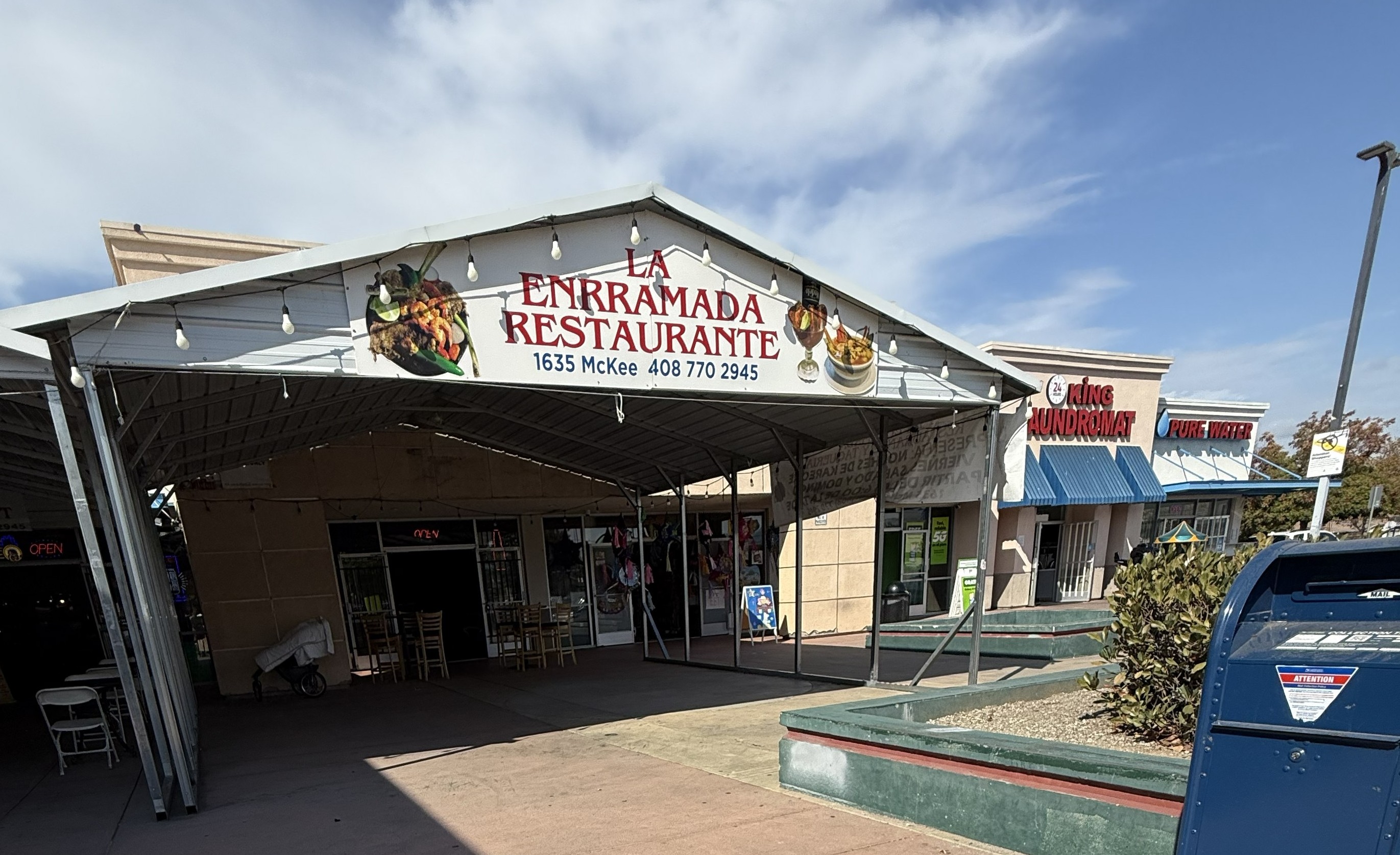
La Enramada Restaurant y Taqueria, San Jose
With the help of our ReThink Disposable Zero Waste Specialists, La Enramada is eliminating 4,840 pounds (the weight of three grand pianos!) from the waste stream, and the business is saving $15,427 annually that can be reinvested into other upgrades to the space. We can see that they were able to cut their disposable usage by 82% and totally eliminate disposable usage for dine-in service, now only utilizing single-use for take-out.
With generous support from Silicon Valley Community Foundation, our team has taken ReThink Disposable to San Jose. We teamed up with three restaurants in the San Jose community — Korean Palace, La Enramada, and Thai Chili Express — to reduce single-use disposable waste by over 381,376 individual pieces and over 5,695 pounds annually. After the conversions to resuable items, this group of restaurants will collectively be saving over $17,000 every year by purchasing fewer disposables — dramatically reducing plastic pollution in their operations, and providing real-time examples of businesses that are both eco-friendly and economical in San Jose. Read the full San Jose Community Restaurants case study here.
Business Profile:
La Enramada Restaurant y Taqueria is a community favorite in San Jose, California. The locals enjoy Brazilian caldo de pollo and authentic enchiladas Michoacanas along with delectable fish dishes. The restaurant utilizes a three-sink system and has seamlessly incorporated their new reusable foodware into their dishwashing duties.
Packaging practices prior to ReThink Disposable:
- Plastic fork
- Plastic knife
- Plastic spoon
- Plastic sauce cup
- 24 oz. paper cold cup
- 32 oz. paper cold cup
- Paper hot cup
- Coffee cup sleeve
- Plastic straw (paper-wrapped)
Recommendations Implemented:
- Stainless steel fork
- Stainless steel knife
- Stainless steel spoon
- Stainless steel sauce cup
- 24 oz. tumbler
- 32 oz. tumbler
- Porcelain mug and saucer
- Glass straw
Before & After


Document
RT-CA-La Enmarada Case Study - SVCF.pdf
(4.71 MB)
Business Information:
1635 McKee Rd
San Jose, CA 95116
United States
The Bottom Line
La Enramada's conversion will save the restaurant over $15,000 annually and means that 360,834 pieces of trash are no longer being thrown away every year.
360,834
disposable items reduced per year
$15,426
net annual savings
0.4 months
payback period before seeing savings
We stopped using all that plastic and paper—utensils, cups, straws—and switched to stainless steel, glass, and ceramic; it feels good, it looks better, and our customers notice the difference. For us, it’s about respect for the food and the planet.

Reducing Single-Use Food Packaging
ReThink Disposable works with local governments, businesses and institutions, and consumers of single use food packaging to inspire a cultural shift away from single-use "throwaway" lifestyle.
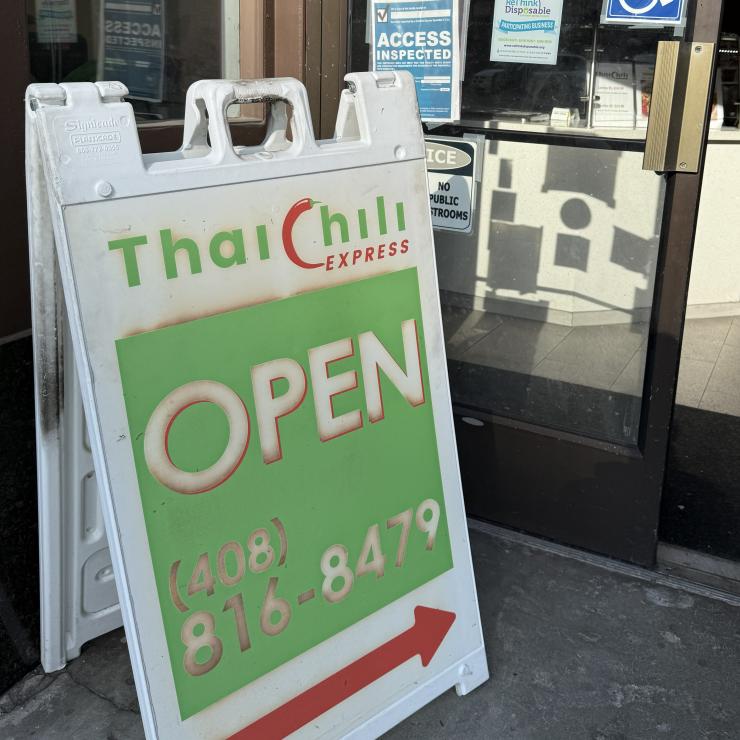
Thai Chili Express, San Jose
With the help of our ReThink Disposable Zero Waste Specialists, Thai Chili is eliminating 614.8 pounds (the weight of a male black bear!) from the waste stream and the business is saving $1,321 annually that can be reinvested into other upgrades to the space. We can see that they were able to cut their dine-in disposable usage by 29%, only utilizing single-use for take-out.
With generous support from Silicon Valley Community Foundation, our team has taken ReThink Disposable to San Jose. We teamed up with three restaurants in the San Jose community — Korean Palace, La Enramada, and Thai Chili — to reduce single-use disposable waste by over 381,376 individual pieces and over 5,695 pounds annually. After the conversions to resuable items, this group of restaurants will collectively be saving over $17,000 every year by purchasing fewer disposables — dramatically reducing plastic pollution in their operations, and providing real-time examples of businesses that are both eco-friendly and economical in San Jose. Read the full San Jose Community Restaurants case study here.
Business Profile:
Thai Chili Express is a long-time favorite in San Jose, California. The locals enjoy traditional Pad Thai, a delicious Tom Yum soup, and they offer several vegetarian options for those who are craving authentic Thai cuisine but are meat free. The restaurant utilizes a three-sink system and has seamlessly incorporated their new reusable foodware into their dishwashing duties.
Packaging practices prior to ReThink Disposable:
- Black plastic container with lid
- 3-Compartment container
- 1-Compartment clamshell
- Plastic spoon
- Black plastic fork
- Plastic deli cup
Recommendations Implemented:
- Insulated stainless steel bowl
- Stainless steel plate
- Stainless steel spoon
- Stainless steel fork
Before & After


Document
RT-CA-Thai Chili Express Case Study.pdf
(1.18 MB)
Business Information:
304 E Santa Clara St
San Jose, CA 95113
United States
The Bottom Line
Thai Chili Express switched 29% of their disposable foodware to reusable for their dine-in guests, which results in over $1,300 in savings annually for the restaurant.
$1,321
net annual savings
10,307
disposable items reduced per year
614 lbs
annual waste reduction
I was willing to try out switching some of my most used disposable products with reusable versions and was excited by the prospect of reducing waste and saving money, but I was hesitant to switch some items to a reusable version because it may be hard to keep up with a 3-sink system. Now that my reusables are implemented and my customers are loving the changes, I am looking forward to changing more items like water cups.
Reducing Single-Use Food Packaging
ReThink Disposable works with local governments, businesses and institutions, and consumers of single use food packaging to inspire a cultural shift away from single-use "throwaway" lifestyle.
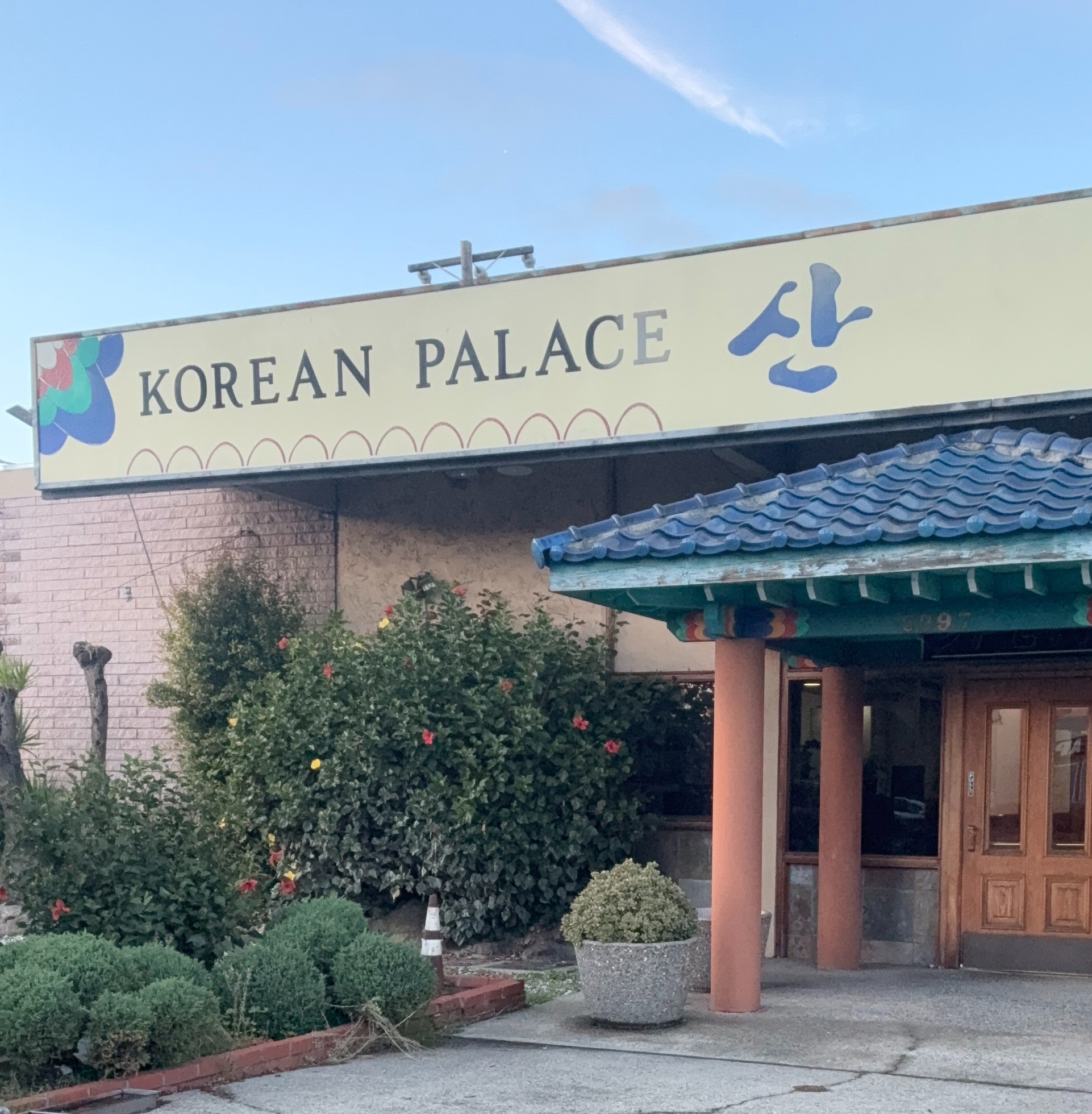
Korean Palace, San Jose
Korean Palace was already using as much reusable foodware as they thought possible for their dine-in and banquet customers. As part of a community case study, we like to add one restaurant that makes small changes in their reuse plan, like Korean Palace, that only needed to convert disposable chopsticks and sauce cups. We can see even with small changes there is a large impact.
With the help of our ReThink Disposable Zero Waste Specialists, Korean Palace is eliminating 240 pounds (the weight of a competition winning pumpkin!) from the waste stream, and the business is saving $444 annually that can be reinvested into other upgrades to the space. We can see that they were able to cut their dine-in disposable usage by 19%, now only utilizing single-use for take-out. Korean Palace is now diverting over 10,000 pieces of single-use disposable foodware from the waste stream annually!
With generous support from Silicon Valley Community Foundation, our team has taken ReThink Disposable to San Jose. We teamed up with three restaurants in the San Jose community — Korean Palace, La Enramada, and Thai Chili — to reduce single-use disposable waste by over 381,376 individual pieces and over 5,695 pounds annually. After the conversions to resuable items, this group of restaurants will collectively be saving over $17,000 every year by purchasing fewer disposables — dramatically reducing plastic pollution in their operations, and providing real-time examples of businesses that are both eco-friendly and economical in San Jose. Read the full San Jose Community Restaurants case study here.
Business Profile:
Korean Palace is a family-friendly restaurant and banquet hall in San Jose, California. They enjoy hosting events and welcome community to enjoy their delicious Korean cuisine. Their best sellers are the authentic Hot Pot BiBimBap and their delicious seafood pancakes. The restaurant utilizes an Auto-Chlor dishwasher and has been able to seamlessly incorporate their new reusable foodware with their system.
Packaging practices prior to ReThink Disposable:
- Branded disposable chopsticks
- 2 oz. Plastic sauce cups
- 4 oz. Plastic sauce cups
Recommendations Implemented:
- Stainless steel chopsticks
- 2 oz. Stainless steel sauce cups
- 4 oz. Stainless steel sauce cups
Before & After


Document
Business Information:
2297 Stevens Creek Blvd
San Jose, CA 95128
United States
The Bottom Line
Korean Palace switched 19% of their disposable foodware to reusable for their dine-in guests, which corresponds to over 10,000 individual single-use items that are no longer being thrown away every year.
$444
net annual savings
10,235
disposable items reduced per year
240 lbs
annual waste reduction
We’re thrilled to switch to Rethink Disposable’s reusable chopsticks, rests, and sauce cups. The heavy weight and elegant styling feel just like what we use at home. Our only worry? They’re so nice, someone might want to take them! Still, we’re excited to make this change and help reduce the number of trees being cut down.
Reducing Single-Use Food Packaging
ReThink Disposable works with local governments, businesses and institutions, and consumers of single use food packaging to inspire a cultural shift away from single-use "throwaway" lifestyle.
Berkeley Unified School District: Phase One
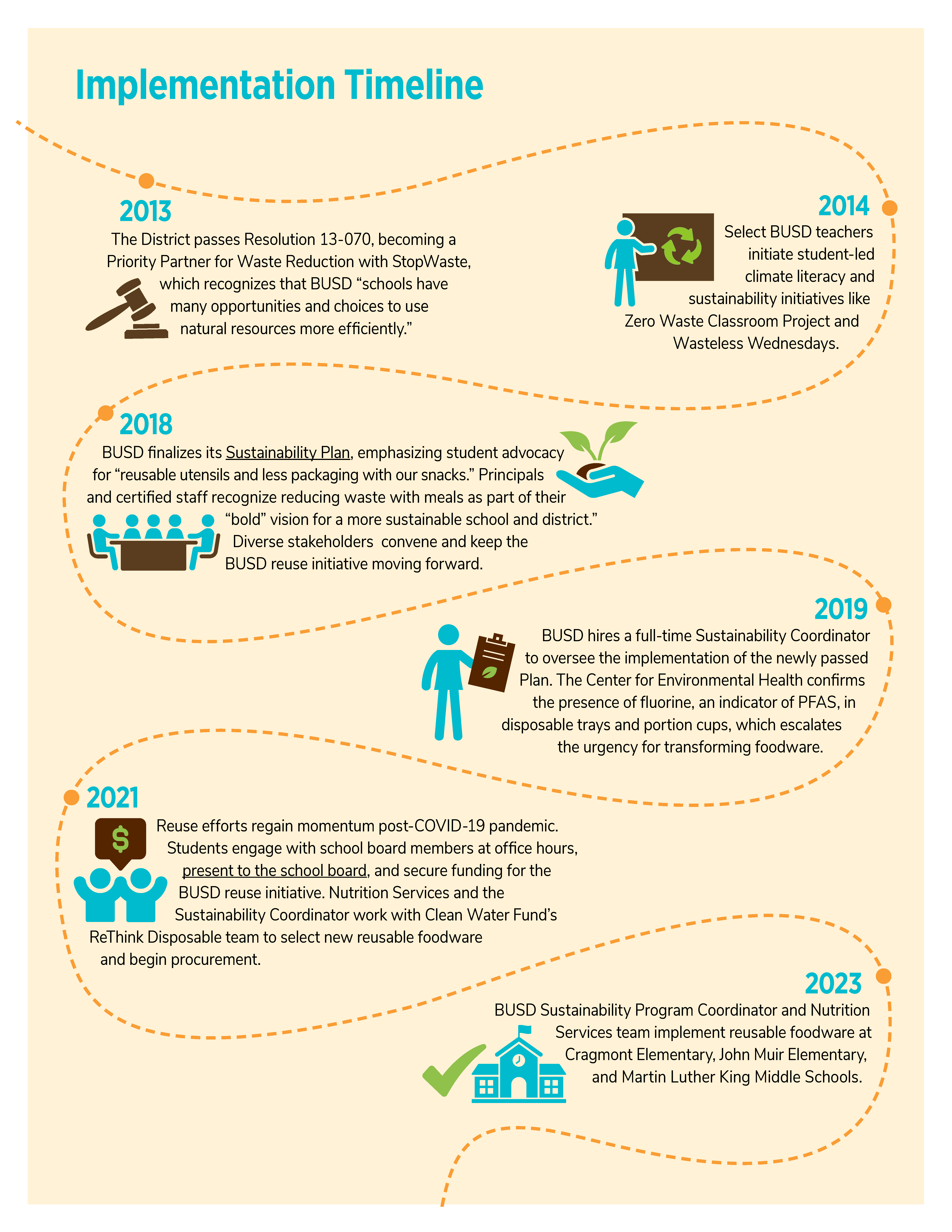
The journey to reusables for Berkeley Unified School District (BUSD) has been long and transformative. It began with discovery meetings in 2018 and was propelled forward by a dedicated team of students, teachers, administrators, parents, and local organizations. Heightened awareness over excessive single-use packaging during COVID, urgency to achieve zero emissions by 2050 through reductions in greenhouse gas emissions tied to disposable food packaging, and the impact of recent State and local policies mandating recycling were all critical factors that galvanized the decision to untether from disposable foodware. But the most pivotal driving force was the collective recognition that transitioning to reusable serviceware not only stops trash but empowers students with everyday sustainable habits for healthier lives.
By transitioning from single-use disposable food packaging to less-toxic durable alternatives at just 3 out of 16 schools, BUSD expects to eliminate 46,000 single-use utensils and 73,000 single-use trays in a given school year.
Business Profile:
Berkeley Unified School District (BUSD) is located in Berkeley, California with a student population of 9,801 and serves food for breakfast (classroom and cafeteria), lunch, and Child And Adult Care Food Program. BUSD is comprised of 11 elementary schools, 3 middle schools, one high school, and one alternative school. The average daily participation in school meals at the elementary and middle schools is 6,000 students for breakfast and 2,500 students for lunch. All food is prepared and distributed from the central scratch kitchen located at King Middle School.
In 2024, BUSD successfully implemented the first phase of reuse deployment at three schools: Cragmont Elementary School, John Muir Elementary School, and Martin Luther King Middle School. These schools were selected as the first cohort due to their existing dishwasher infrastructure, on-site staff capacity, and earlier return to the cafeteria.
The total cost for reusable stainless steel trays, sporks, cups, and bowls for 10 schools amounted to $52,970 that was funded primarily by the non-profit organization Plastic Free Restaurants. Rather than hiring additional staff, BUSD expanded the Nutrition Services Assistant job description by one hour, effectively creating a full-time position.
With a 180-day school year, the three participating schools collectively serve approximately 2,000 meals, daily. By transitioning from single-use disposable food packaging to less-toxic durable alternatives at just 3 out of 16 schools, BUSD expects to eliminate 46,000 single-use utensils and 73,000 single-use trays in a given school year. This change also includes replacing disposable cups and bowls with reusable alternatives, resulting in a total reduction of 170,000 single-use items per school year. This transformation diverts over 6,600 lbs of waste annually, equivalent to 4.3 pounds of trash per student. After the initial deployment of reuse, BUSD, annually saves more than $13,000 by cutting back on the purchase of disposable foodware. These annual savings are now available for other essential budgetary needs.
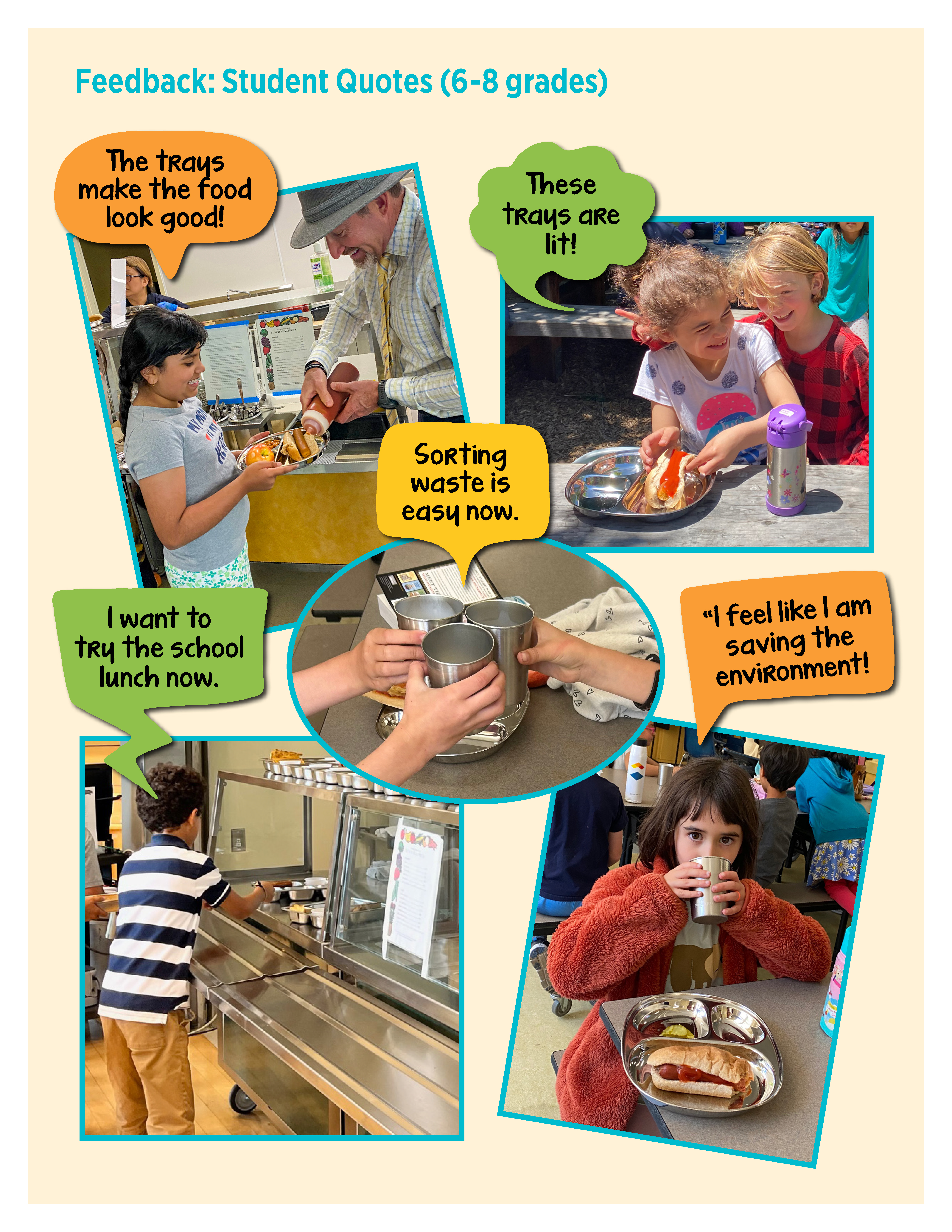
The students love the reusables, especially the older ones. It gives them a sense of eating on a plate like at home. My team thinks it’s increased the number of students eating school lunches and makes the food look more appealing.
Bonita Everfield, Cragmont Cafeteria Supervisor
Recommendations Implemented:
In 2024, BUSD successfully implemented the first phase of reuse deployment at three schools: Cragmont Elementary School, John Muir Elementary School, and Martin Luther King Middle School. These schools were selected as the first cohort due to their existing dishwasher infrastructure, on-site staff capacity, and earlier return to the cafeteria.
The total cost for reusable stainless steel trays, sporks, cups, and bowls for 10 schools amounted to $52,970 that was funded primarily by the non-profit organization Plastic Free Restaurants. Rather than hiring additional staff, BUSD expanded the Nutrition Services Assistant job description by one hour, effectively creating a full-time position.
New Reusable Foodware
- Stainless steel sporks — eliminated the need for separate spoons and forks
$1.16 each, includes shipping - Greensteel 10-ounce stainless steel cups
$2.50 each, includes shipping - Ahimsa 3-compartment stainless steel trays
$8.50 per unit - 10-ounce and 16-ounce double-walled stainless steel bowls
$5.96 each, includes shipping
Challenges
Keeping high return rates on reusables is an important challenge that needs to be overcome in a K-12 school reuse system. Having higher value reusables makes them feel more valuable to students (and adults) and this helps BUSD keep their loss rate very low. Still, utensils can often end up in the landfill or other waste bins. Here are a few simple ways to prevent utensils from being accidentally thrown away:
- Pair them with other larger reusables that match in material. The idea being, stainless steel trays do not end up in the trash, so stainless steel sporks should not either.
- Have clear signage and reuse return stations next to every refuse bin. Make sure that they are at eye level for the students.
- Start bussing stacks with a sample item and separate trays from the utensils and cups — this will help students see that “this is where the utensils go”, ”this is where the cups go”, “this is where the trays go”.
- Have green teams or bin monitors direct students on what goes where, particularly after the launch and at the beginning of the school year.
- Have open bins so if a student does throw away utensils, they can reach in and correct the mistake.
- Make sure the students can’t bend or break the utensils
To Be Continued...
The first wave of reuse deployment at BUSD highlighted the overarching waste issues at their schools. This work uncovered practical ways to green the District, resulting in significant waste reduction and annual net savings. BUSD plans to conduct a longitudinal waste assessment, which may reveal further opportunities to reduce costs by scaling back refuse hauling services.
Now, more than ever, the District is focused on continuing reuse efforts at additional schools with plans to have all schools transitioned by the Fall of 2026. The second phase will include the Berkeley Technology Academy, Malcolm X Elementary School, Oxford Elementary School, Ruth Acty Elementary School, Thousand Oaks Elementary School, and Willard Middle School. Projected metrics for second phase reuse deployment at a total of 9 schools show even greater benefits with annual reductions of 547,500 pieces of single-use foodware, weighing over 19,965 pound, resulting in annual net savings of nearly $40,000.
Additionally, BUSD aims to eliminate plastic packaging in its universal breakfast program. The Nutrition Service Department is reviewing contracts with local vendors who can provide the District with bulk cereal and is collaborating with the Sustainability Program to identify stainless steel packaging options.
Keep in Touch
Clean Water Fund and the Center for Environmental Health look forward to expanding BUSD’s reuse and waste reduction efforts, as outlined in the initial version of their case study. Please keep in touch to learn about additional initiatives and updated waste reduction data.
The reusables make my job a lot easier. The compost bin isn’t half as full as it used to be because there are no paper trays so I don’t have to switch the bag out as much. There’s still food waste that I wish didn’t exist but it’s all a work in progress.
Jackie Ray Jr, Cragmont Lead Custodian

Business Information:
2020 Bonar Street
Berkeley, CA 94702
United States
Document
CS_BUSD_09.20.24b.pdf
(4.05 MB)
The Bottom Line
Highlights
- Successfully piloted reusable foodware at two elementary schools and one middle school serving a total of 1,545 students
- Replaced 9 single-use foodware items with 4 reusable items
- Phase 1 resulted in $13,064 annual savings; Phase 2 will achieve $39,144 annual savings
- Phase 1 reduced waste by 3.3 tons (6,685 pounds), every school year; Phase 2 will reduce waste by 10 tons (19,965 pounds), every school year
- Annually eliminated 170,000 individual single-use items in Phase 1; 547,500 annually in Phase 2
- Upgraded a part-time Nutrition Services Assistant to full time by adding one additional hour per day to manage new wares
- Potentially reduces students’ exposure to chronic sources of PFAS
170,000 pieces
Disposable Items Eliminated Annually
6,685 lbs
Annual waste reduction
$13,064
Annual Net Cost Savings
The students love the reusables, especially the older ones. It gives them a sense of eating on a plate like at home. My team thinks it’s increased the number of students eating school lunches and makes the food look more appealing.
Reducing Single-Use Food Packaging
ReThink Disposable works with local governments, businesses and institutions, and consumers of single use food packaging to inspire a cultural shift away from single-use "throwaway" lifestyle.
