When I was in seventh grade, my science teacher announced that our class would participate in the annual science fair.
Most students built volcanoes or tested which paper towel absorbed the most water.
I decided to build a sea turtle.
Not just any turtle: I wanted to make it entirely out of discarded plastic.
The more I learned about plastic pollution, the harder it became to ignore. Sea turtles mistake floating plastic bags for jellyfish and try to eat them. Tiny pieces of plastic work their way into waterways and ecosystems. Something as ordinary as throwing away a bottle suddenly didn't seem so ordinary anymore.
That science fair project didn't just teach me about marine life.
It changed how I saw the world.
From then on, I paid attention to the choices I made every day. I encouraged my friends to bring reusable straws and coffee cups on outings. I thrifted most of my clothes. I became a vegetarian because I wanted to reduce my environmental impact.
Those habits mattered because they made me feel that my everyday choices shape the kind of world I want to live in.
But over time, I realized they also had limits.
No matter how many reusable straws I carried, I couldn't personally regulate toxic chemicals in drinking water. Buying secondhand clothes couldn't replace aging water infrastructure or hold major polluters accountable. Individual actions matter, but the biggest environmental challenges require something more.
They require public policy.
That's what led me to study political science at American University and ultimately brought me to Clean Water Action as its Elections Intern.
Along the way, I've worked on campaigns for candidates who lost difficult elections and for elected officials who have spent decades serving their communities. Those experiences reinforced something that isn't always obvious: elections shape nearly every environmental issue we care about.
At first glance, people may not immediately connect elections with clean water.
But every environmental victory begins with leaders who are willing to make protecting public health a priority.
Massachusetts State Senator Adam Gomez is one example.
After earning Clean Water Action's endorsement and winning reelection, he secured a $5 million amendment to the Mass Ready Act to monitor indoor air quality in schools and public buildings. Better indoor air quality means healthier students, improved asthma outcomes, earlier detection of hazards like radon, and stronger learning environments.
Clean air, safe drinking water, protection from toxic chemicals, climate resilience - they all depend on thoughtful public policy and elected leaders willing to act.
That raises an important question: how do voters know which candidates will actually be environmental champions?
The reality is that most people are juggling jobs, commutes, social circles, school activities, caregiving responsibilities, family, and countless other demands. Few of us have the time to research every candidate running for every office. Sometimes, we don't even know the right questions to ask.
That's where organizations like Clean Water Action come in.
Our endorsements aren't made lightly. We spend countless hours reviewing candidates' records, meeting with campaigns, evaluating policy priorities, and identifying leaders who have demonstrated a commitment to protecting clean water, advancing environmental justice, and safeguarding public health.
Our goal isn't to tell people what to think. It's to help busy voters make informed decisions by providing trusted information grounded in candidates' records and values.
This year's elections will shape decisions about drinking water protections, infrastructure investments, climate resilience, and environmental justice for years to come.
Elections work is environmental work. Protecting clean water doesn't begin when a bill reaches a committee hearing. It begins when voters decide who will be sitting in those committee rooms.
I still think about that sea turtle I built all those years ago. At the time, I thought protecting the environment meant picking up plastic and making better personal choices. I still believe those choices matter. But I've learned they're only the beginning.
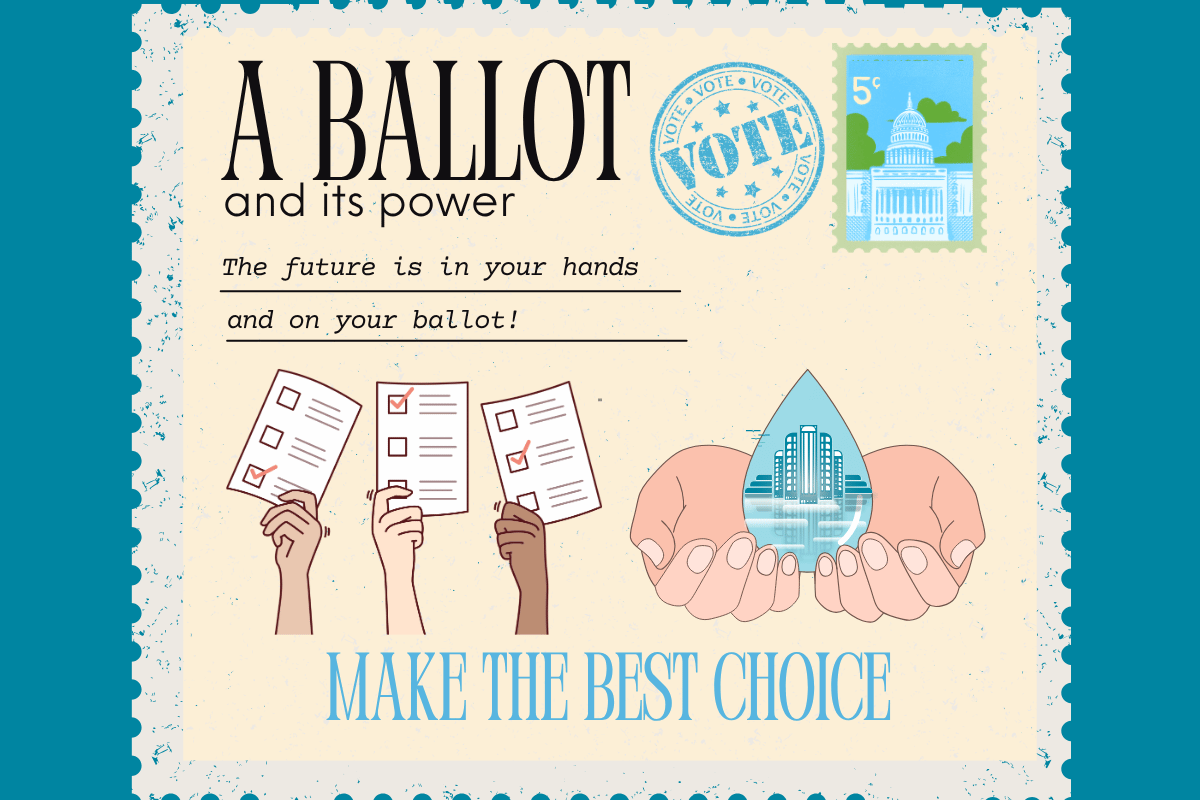
Real change happens when individual action grows into collective action, when people organize, vote, and elect leaders who are willing to protect the communities we all share.
So yes, keep bringing your reusable straw, but don't stop there.
Bring your voice to the ballot box, too.
Check out our Massachusetts Endorsements Here
Paid for and authorized by Clean Water Action for distribution to its members. Not authorized by any candidate or candidate's committee. Contact us at cleanwateraction.org.


