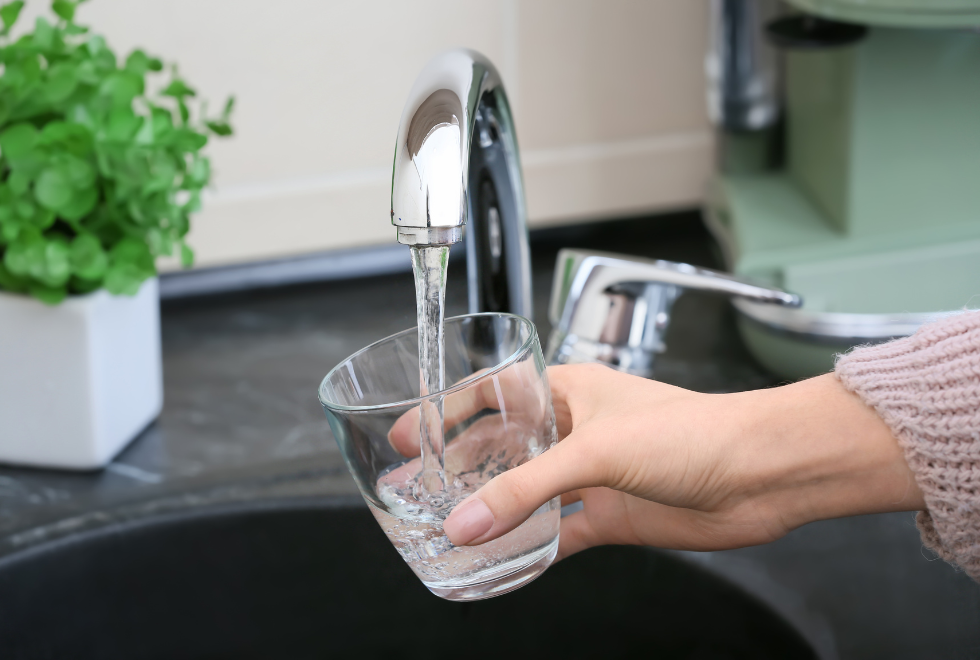
It’s Drinking Water Week and let’s face it: We often take for granted that safe, reliable drinking water makes its way to our tap. We don’t really think about it unless a problem occurs, like an outage, a leak, or a water main break.
But behind the scenes, our drinking water and drinking water systems face increasing challenges. More pollution is making its way into our rivers, lakes, and streams, partially due to the many rollbacks in protections in the past few years. Emerging contaminants, like Per- and polyfluoroalkyl substances (PFAS), are also creating new and complex issues. At the same time, much of the nation’s water infrastructure is outdated, reaching the end of its useful life, and struggling to keep up. This means more potential for leaks, pipe bursts, costly damages, and effects on drinking water.
But there are solutions to these growing drinking water challenges.
Holding Polluters Accountable
Polluters should be held accountable for what they dump into our waterways. Stopping pollution upstream addresses the problem at the source, meaning fewer contaminants making their way into our water, fewer burdens on drinking water systems, and less harms to public health. Holding polluters accountable means strengthening, not weakening, the guardrails that limit pollution, including improving wastewater discharge standards and permitting requirements.
Source Water Protection
Strengthening source water protections is key to protecting our drinking water. Wetlands and streams are essential parts of our natural water infrastructure that influence downstream water quality, including in drinking water sources. Wetlands and streams act as nature’s water filters, and they are often our first line of defense against pollution. Preventing the destruction of wetlands and streams improves water quality, reduces treatment costs, and protects our drinking water.
Increased Federal Investments
Drinking water systems need increased federal investments to keep up with the costly maintenance and upgrades needed to protect drinking water. The Bipartisan Infrastructure Investment and Jobs Act (IIJA), which provided a historic investment of $50 billion in federal infrastructure funding, was an important start. This funding allowed for much-needed investments that helped water systems repair pipes, modernize treatment plants, and prevent failures. But this critical funding is set to expire in September. Without sustained federal investments, many water systems could struggle to deliver reliable drinking water that communities depend on.
Drinking Water Week is a reminder that safe, reliable drinking water relies on accountability, source water protection, and sustained federal investments. At Clean Water, we work to address these challenges every day.