Filter By:
Type
Posted On
Search Results
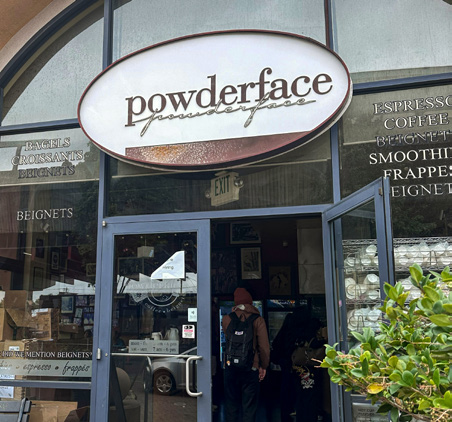
Powderface, Oakland
Located in Fruitvale Village, Powderface serves the best beignets west of New Orleans, serving both traditional and vegan beignets for those that want to have the taste of the south without the guilt. Powderface also serves coffee, smoothies, sandwiches, and crepes for a full dining experience. Powderface made a 35% switch of their total disposable foodware purchases to go 100% reusable for their dine-in guests. Powderface will not only divert over 77,000 single pieces of harmful disposable plastics every year but will also enjoy a $3,000 annual savings.
Five local Fruitvale restaurants — Emil’s Burger & Breakfast, Hogar Latino Panaderia Y Restaurant, La Torta Loca, Parra’s, and Powderface — teamed up to reduce single-use disposable waste by over 187,600 individual pieces and over 3,240 pounds annually. After an average payback period of 2.74 months, this group of restaurants will collectively be saving over $10,000 every year by purchasing fewer disposables — dramatically reducing plastic pollution in their operations, and providing real-time examples of businesses that are both eco-friendly and economical in the Fruitvale community. Read the full Fruitvale Community Restaurants Case Study here.
Packaging practices prior to ReThink Disposable:
- White Hot Drink Dome Lid
- Flat Straw Slot Lid
- Paper coffee cup 12 oz./16 oz./20 oz.
- Clear plastic cold cup 16 oz./20 oz.
- Bio #1 Kraft Takeout Container
- Hot Paper Cup 8 oz.
- Eco Kraft Sandwich Bag
- Disposable Wooden Stir Sticks 7.5''
Recommendations Implemented:
- Dine-in reduction with reusable cups
- Ceramic coffee cups
- Stainless steel cold cups
- Reusable serving baskets
- Dine-in reduction with reusable plates, serving baskets, and trays
- Reduction for dine-in by request

Document
CS_Fruitvale_09.26.24.pdf
(4.41 MB)
Business Information:
3411 E 12th St
#134
Oakland, CA 94601
United States
The Bottom Line
$3,011
net annual savings
77,289
disposable items reduced per year
1,553 lbs
annual waste reduction
We can definitely use the help in transitioning back to reusables after COVID. We have been hit hard as a business during this time and want to thank ReThink Disposable for the help in complying with the new law!

Reducing Single-Use Food Packaging
ReThink Disposable works with local governments, businesses and institutions, and consumers of single use food packaging to inspire a cultural shift away from single-use "throwaway" lifestyle.
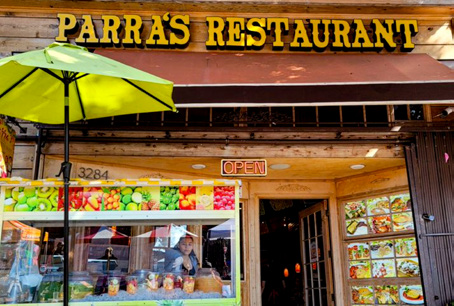
Parra’s, Oakland
Parra’s is a traditional Mexican restaurant in the heart of the Fruitvale. Their menu is authentic, and their specialty is their delicious tlayudas oaxaqueñas which the owner, Carlos, encourages everyone to try. The atmosphere is friendly, and everyone is welcome to stop in for a bite or take mole poblano home for the family.
Parra’s was already using reusable foodware for their dine-in guests but were still relying on plastic straws and sauce cups. Replacing them with stainless steel reusable foodware will positively impact the community diverting over 41,000 pieces of harmful disposable plastics annually.
Five local Fruitvale restaurants — Emil’s Burger & Breakfast, Hogar Latino Panaderia Y Restaurant, La Torta Loca, Parra’s, and Powderface — teamed up to reduce single-use disposable waste by over 187,600 individual pieces and over 3,240 pounds annually. After an average payback period of 2.74 months, this group of restaurants will collectively be saving over $10,000 every year by purchasing fewer disposables — dramatically reducing plastic pollution in their operations, and providing real-time examples of businesses that are both eco-friendly and economical in the Fruitvale community. Read the full Fruitvale Community Restaurants Case Study here.
Packaging practices prior to ReThink Disposable:
- Plastic sauce cups
- Plastic straws
Recommendations Implemented:
- Stainless steel sauce cups
- Stainless steel straws
Before & After


Document
CS_Fruitvale_09.26.24.pdf
(4.41 MB)
Business Information:
3284 International Blvd
Oakland, CA 94601
United States
The Bottom Line
$694
net annual savings
41,063
disposable items reduced per year
143 lbs
annual waste reduction
You brought some goodness to our restaurant! I tried the stainless-steel straws, and I really enjoy my jamaica drink now!... I am excited that this will help us save money.
Reducing Single-Use Food Packaging
ReThink Disposable works with local governments, businesses and institutions, and consumers of single use food packaging to inspire a cultural shift away from single-use "throwaway" lifestyle.
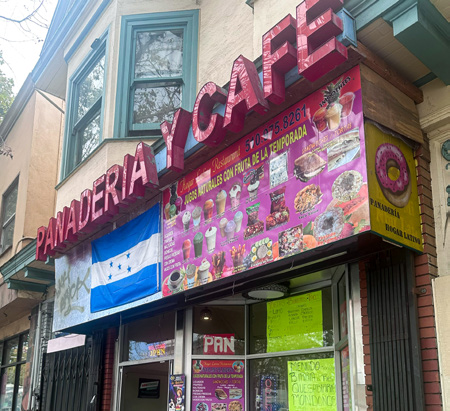
Hogar Latino Panaderia Y Restaurant, Oakland
Located in the heart of the Fruitvale on International Boulevard, Hogar Latino Panaderia Y Restaurant serves Honduran and Salvadoran food and, arguably, some of the best tamales in Oakland. Hogar is also home to an amazing juice bar with frozen treats for the whole family to enjoy.
Five local Fruitvale restaurants — Emil’s Burger & Breakfast, Hogar Latino Panaderia Y Restaurant, La Torta Loca, Parra’s, and Powderface — teamed up to reduce single-use disposable waste by over 187,600 individual pieces and over 3,240 pounds annually. After an average payback period of 2.74 months, this group of restaurants will collectively be saving over $10,000 every year by purchasing fewer disposables — dramatically reducing plastic pollution in their operations, and providing real-time examples of businesses that are both eco-friendly and economical in the Fruitvale community. Read the full Fruitvale Community Restaurants Case Study here.
Packaging practices prior to ReThink Disposable:
- 16 oz. Clear plastic cups
- 32 oz. Clear plastic cups
- 20 oz. Clear plastic cups
- 20 oz. Paper coffee cups
- Black polystyrene coffee lids
- Paper coffee sleeves
- Plastic knives, forks, spoons, and straws
Recommendations Implemented:
- Clear SAN reusable tumblers
- Reusable acrylic tumblers – multi-color
- Ceramic coffee mugs
- Take-out coffee lids and sleeves only upon request
- Stainless steel knives, forks, spoons, and straws
Before & After


Document
CS_Fruitvale_09.26.24.pdf
(4.41 MB)
Business Information:
3331 International Blvd
Oakland, CA 94601
United States
The Bottom Line
Hogar Latino Panaderia Y Restaurant switched 100% of their disposable dine-in foodware to reusable for their on-site guests, with a 1.6 month payback period.
$3,120
net annual savings
26,493
disposable items reduced per year
595 lbs
annual waste reduction
We are so grateful for these items! I am so glad we will be able to reduce the disposable plastic smoothie and juice cups, and coffee cup, lid, and sleeve purchases!
Reducing Single-Use Food Packaging
ReThink Disposable works with local governments, businesses and institutions, and consumers of single use food packaging to inspire a cultural shift away from single-use "throwaway" lifestyle.
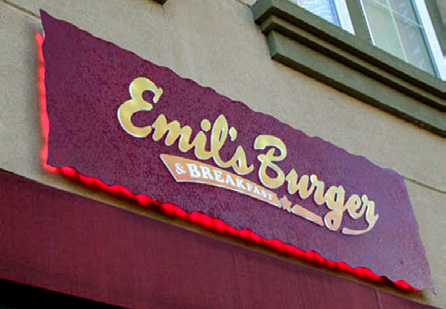
Emil’s Burger & Breakfast, Oakland
Located in Fruitvale Village, Emil’s Burger & Breakfast prides itself on the freshest ingredients, hand-selected by the owner daily and cooked fresh to order. They had been serving their customers on disposable paper and plastics. Now, people are noshing on their delicious burgers with reusable foodware and enjoying an elevated dining experience.
Five local Fruitvale restaurants — Emil’s Burger & Breakfast, Hogar Latino Panaderia Y Restaurant, La Torta Loca, Parra’s, and Powderface — teamed up to reduce single-use disposable waste by over 187,600 individual pieces and over 3,240 pounds annually. After an average payback period of 2.74 months, this group of restaurants will collectively be saving over $10,000 every year by purchasing fewer disposables — dramatically reducing plastic pollution in their operations, and providing real-time examples of businesses that are both eco-friendly and economical in the Fruitvale community. Read the full Fruitvale Community Restaurants Case Study here.
Packaging practices prior to ReThink Disposable:
Dine-in disposable foodware items included:
- 34 oz. Plastic bowls
- 7.75 In. Plastic straws
- 2 oz. Plastic sauce cups
- 20 oz. Paper cold cups
- 12 oz. plastic deli bowls
- 8 oz. Plastic deli bowl
- Small paper food boats
- Large paper food boats
Recommendations Implemented:
- 34 oz. Tempered glass bowls
- 8.5’’ Stainless steel straws
- 2 oz. Stainless steel sauce cups
- 22 oz. SAN reusable drink cups
- 16 oz. Stoneware bowls
- 8 oz. Porcelain bowls
- Porcelain plates
Before & After


Document
CS_Fruitvale_09.26.24.pdf
(4.41 MB)
Business Information:
Fruitvale Village
3301 E 12th St, #121
Oakland, CA 94601
United States
The Bottom Line
Emil’s Burger & Breakfast switched 100% of their dine-in disposables to reusable for their on-site guests, with a 2.6 month payback period.
$2,433
net annual savings
34,380
disposable items reduced per year
702 lbs
annual waste reduction
Thank you so much. We love everything. We have already started using everything, and it is all so nice. So much better than what we were using!
Reducing Single-Use Food Packaging
ReThink Disposable works with local governments, businesses and institutions, and consumers of single use food packaging to inspire a cultural shift away from single-use "throwaway" lifestyle.