With the help of our ReThink Disposable Zero Waste Specialists, Thai Chili is eliminating 614.8 pounds (the weight of a male black bear!) from the waste stream and the business is saving $1,321 annually that can be reinvested into other upgrades to the space. We can see that they were able to cut their dine-in disposable usage by 29%, only utilizing single-use for take-out.
With generous support from Silicon Valley Community Foundation, our team has taken ReThink Disposable to San Jose. We teamed up with three restaurants in the San Jose community — Korean Palace, La Enramada, and Thai Chili — to reduce single-use disposable waste by over 381,376 individual pieces and over 5,695 pounds annually. After the conversions to resuable items, this group of restaurants will collectively be saving over $17,000 every year by purchasing fewer disposables — dramatically reducing plastic pollution in their operations, and providing real-time examples of businesses that are both eco-friendly and economical in San Jose. Read the full San Jose Community Restaurants case study here.
Business Profile:
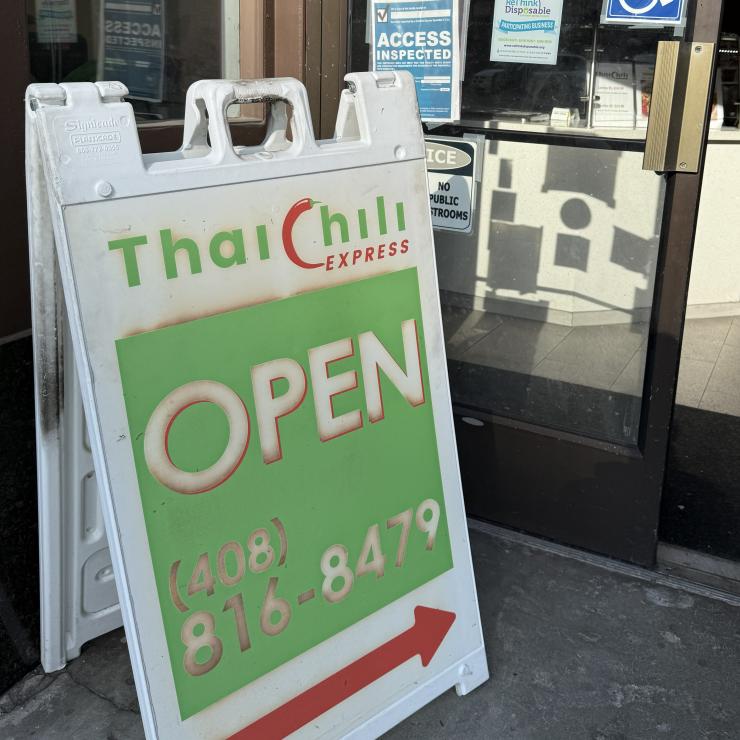
Thai Chili Express is a long-time favorite in San Jose, California. The locals enjoy traditional Pad Thai, a delicious Tom Yum soup, and they offer several vegetarian options for those who are craving authentic Thai cuisine but are meat free. The restaurant utilizes a three-sink system and has seamlessly incorporated their new reusable foodware into their dishwashing duties.
Packaging practices prior to ReThink Disposable:
- Black plastic container with lid
- 3-Compartment container
- 1-Compartment clamshell
- Plastic spoon
- Black plastic fork
- Plastic deli cup
Recommendations Implemented:
- Insulated stainless steel bowl
- Stainless steel plate
- Stainless steel spoon
- Stainless steel fork


304 E Santa Clara St
San Jose, CA 95113
United States
The Bottom Line
Thai Chili Express switched 29% of their disposable foodware to reusable for their dine-in guests, which results in over $1,300 in savings annually for the restaurant.
$1,321
10,307
614 lbs
I was willing to try out switching some of my most used disposable products with reusable versions and was excited by the prospect of reducing waste and saving money, but I was hesitant to switch some items to a reusable version because it may be hard to keep up with a 3-sink system. Now that my reusables are implemented and my customers are loving the changes, I am looking forward to changing more items like water cups.

Reducing Single-Use Food Packaging
ReThink Disposable works with local governments, businesses and institutions, and consumers of single use food packaging to inspire a cultural shift away from single-use "throwaway" lifestyle.