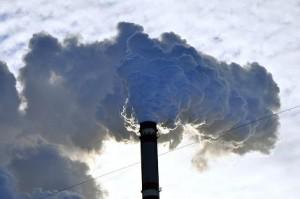
Plastics are toxic through their entire lifecycle, and the technologies that the plastic industry misleadingly calls “chemical recycling” or “advanced recycling" are nothing more than incineration in disguise. “Chemical recycling” is a category of different processes used to convert plastic pellets, both virgin plastic and waste plastic, into low-grade fossil fuels or other chemicals by burning, dissolving, or gasifying it.
Nearly no “chemical recycling” facilities are recycling any plastic. Even if they were, they wouldn’t be able to solve the plastic crisis. Pyrolysis, the most common form of “chemical recycling,” is only capable of turning between 0.1 to 6 percent of the plastic waste processed into new plastic, and most facilities are not even attempting to do that much.
The real product of “chemical recycling” is toxic waste. Whether as solid, airborne, or liquid waste “chemical recycling" facilities process plastic into waste at an astounding rate and produce staggering amounts of greenhouse gases emissions while doing so. The small portion that does not come out as waste instead comes out as toxic low-grade oil. That oil is then very rare cases turned back into plastic, or most often into toxic, highly polluting fuels.
At best “chemical recycling” a failed and highly polluting technology, and at worst it is a ploy to greenwash the plastic industry, compete for green subsidies, and a dishonest means to pave the way to justify increased plastic production.
“Chemical Recycling” is expensive, toxic, dangerous, catastrophic for the climate, and bad for Maryland!
Read more!