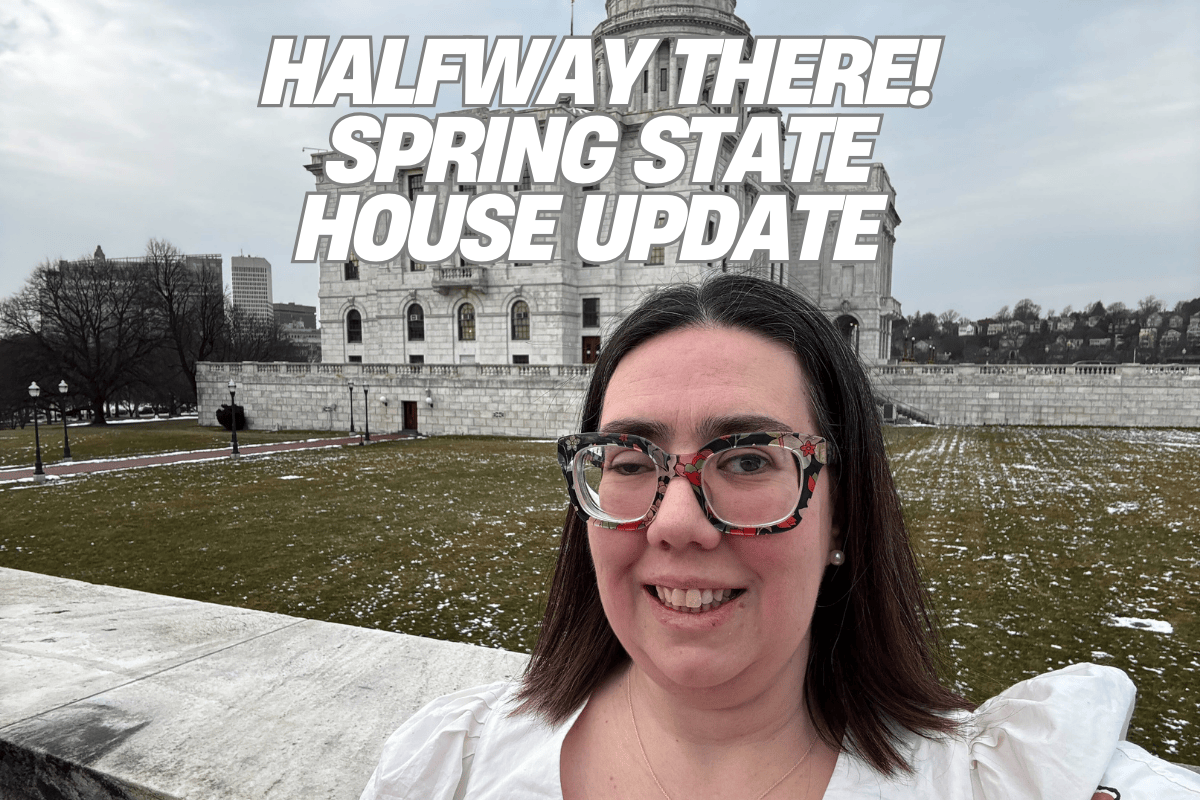
They’re baaaaaaack... The Rhode Island General Assembly has returned to session, and we’re midway through another 6-month sprint to pass legislation protecting our health and environment. Here’s what we’re working on in 2026!
Getting Toxic Metals Out of Personal Care Products
We’re off to a strong start building support for legislation banning toxic heavy metals in hygiene and menstrual care products. Rep. Karen Alzate and Senator Lori Urso are already onboard to sponsor the 2026 bill, and we have bipartisan support!
Metals like lead, cadmium, and arsenic don’t belong in the products we put on, and in, our bodies, but a recent study found them in tampons! Currently there is no federal requirement to test tampons for the presence of heavy metals (and we doubt that’s going to change under the current administration), so it’s up to the states to take action.
Rhode Island's ban on toxic PFAS in common consumer products has been part of a wave of state action countering federal indifference to toxic harms. We can make the same impact on heavy metals in menstrual care products in 2026. Take action!
Tracking Artificial Turf
Artificial turf pollutes. It contains hundreds of harmful chemicals, and the plastic grass surfaces break down into microplastics that leach into water systems and storm drains and contaminate the soil. In 2024, Rhode Island joined other states regulating toxic PFAS chemicals, including banning their intentional use in artificial turf, but we already have acres of synthetic fields installed across the state.
What happens to these rolls of plastic when they need to be removed and replaced (as they do after about 10 years)? Time to keep track! This session we are supporting legislation to require the tracking of the chain of custody of artificial turf from production, to installation, to removal and disposal.
Two years ago, environmental advocates in Massachusetts uncovered an ugly truth: a company that claimed to recycle used artificial turf from a high school playing field had actually just dumped it in a warehouse in New Jersey. It’s important that Rhode Island tighten up our regulatory framework to ensure that tons of plastic grass aren’t being dumped in landfills. The public cannot make informed policy choices about artificial turf if we can’t measure the impact it has on our environment over its lifetime.
Building a Budget that Supports our Climate Goals
Clean Water Action has been working with allied organizations to make sure that our state budget doesn’t pull the rug out from under clean energy projects and energy efficiency. Right now, the president is openly hostile to climate action. That makes it all the more critical that states like Rhode Island continue to lead the way.
Clean energy projects mean energy independence and jobs for Rhode Islanders, and energy efficiency upgrades save ratepayers money. We’re at the State House at budget hearings making sure that all of our voices are heard. Clean energy is affordable energy!
The Rhode Island legislature is special because our state is small. Our state legislators are our neighbors and local leaders, not distant power figures. In 2026, help us make sure that they hear from grassroots neighbors like you. Send them emails! Call their offices! They work for us, and, for the most part, they agree with us that protecting the environment is a core Rhode Island value.
It's a short session. Let’s make it a good one!


