This past October, I got the opportunity to make a short trip to New Mexico. While I was out there, I took the chance to visit a couple of national parks that should be on anybody’s must-see bucket list: Petroglyph National Monument, near Albuquerque, and Petrified Forest National Park in Arizona.
Unfortunately my timing was not optimal. The trip happened during the recent shutdown of the federal government.
Visiting Petroglyph National Monument
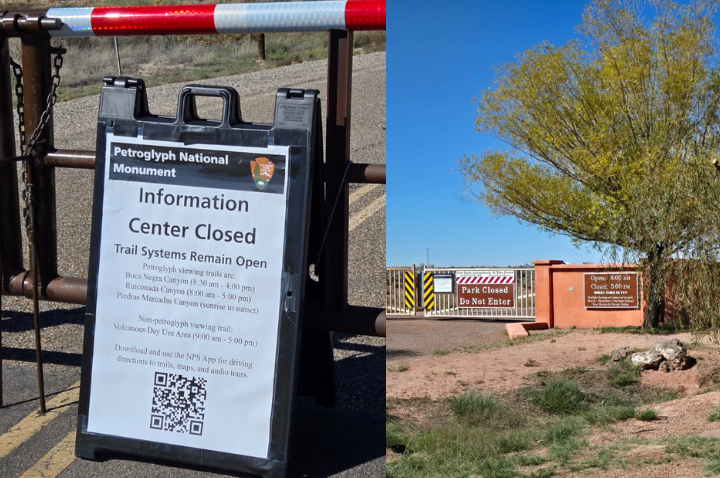
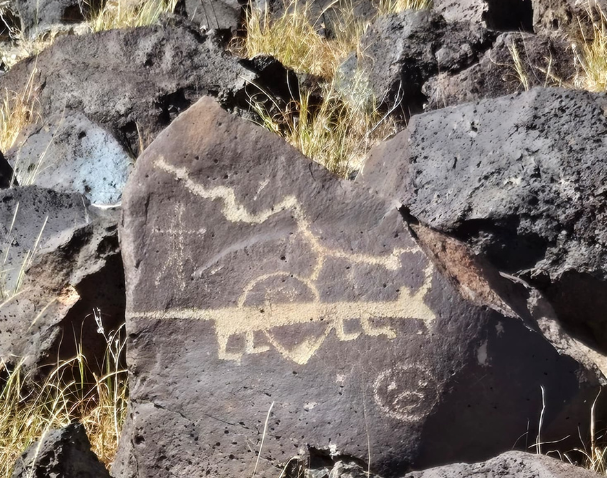
At the petroglyph site, this meant that the visitor center for the site was closed. It took an extra mile of hot, dry desert hiking from there just to get to the start of the trailhead—but seeing the petroglyph carvings was totally worth it.
Visiting Petrified Forest National Park
At Petrified Forest, unfortunately, the entire park was completely closed, including the visitor center. I was really looking forward to the visit. Among other things, I wanted to see first-hand the exciting progress being made on Clean Water Fund’s ReThink Disposable collaboration with the park concession there. Our goal is to reduce single-use throwaways in the park, especially plastics – and it's also a great opportunity for visitors to see these waste-reduction solutions in action.
Read more about ReThink Disposable's collaboration with the National Park Foundation and ExplorUS!
Marta Young and Julie Wedge have been spearheading this project, reducing single-use disposable items in Petrified National Forest, Mammoth Cave, and Jamaica Bay. Stay tuned for final results as this partnership draws to a close.
Then I had a good turn of luck! Even though the park was officially closed, Lawrence Yazzee, General Manager of the Petrified Forest Trading Company (the official business concession in the park) was on the job. He agreed to meet with me for a tour of his operation, which includes gift shops and a restaurant featuring farm-to-table offerings and indigenous food specialties. The Trading Company is part of the larger ExplorUS organization, which operates concessions in many national parks around the country.
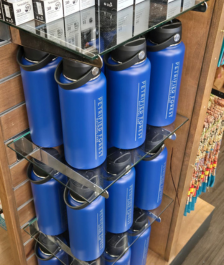
I got to see racks full of the gift shop’s new supply of high-quality reusable, refillable water bottles, just waiting for customers to arrive with the park’s re-opening. Lawrence showed me the water refill stations visitors can use for their water bottles, whether the bottles were purchased in the park or brought from home.
It's not just about the goods and services offered to visitors—I also got a look at detailed written logs carefully documenting quantities and weights and costs of different kinds of materials slated for reuse, recycling or disposal. We went behind the scenes to see the stations where materials are sorted for recycling (by a Navajo-run company), as well as a variety of items that are creatively re-purposed on-site. We talked about the fresh, local and authentic ingredients used in food offerings, and how single-serve condiment packets and creamer cups were being replaced with pump dispensers.
Lawrence also proudly told me about the official recognition his service station receives for pollution prevention and safety, and about the attractive new dog park created on-site so that visitors could exercise their pets while preserving the fragile desert ecosystem.
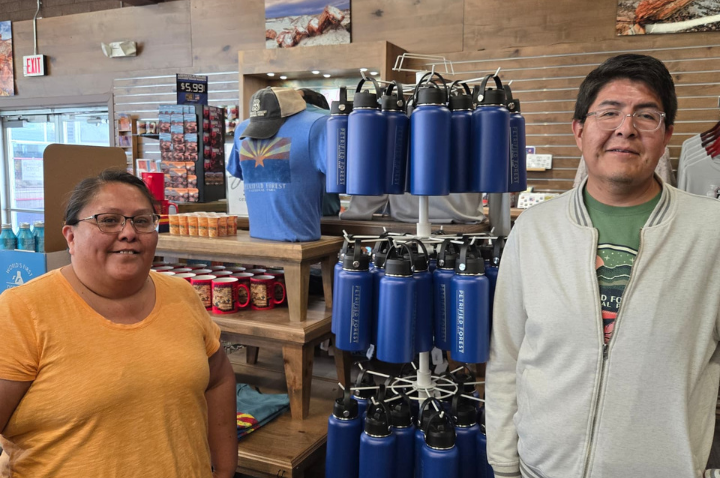
Lawrence and his team are clearly passionate about making their operations more sustainable and working with Clean Water Fund to create a model that proves the economic and environmental benefits of waste reduction and re-use. I’m looking forward to reading the final case study with the savings and waste-reduction benefits accomplished by our ReThink Disposable team and National Park partners.


