Filter By:
Type
State
Priority
Posted On
Search Results
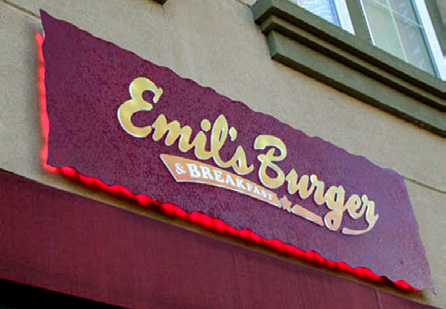
Emil’s Burger & Breakfast, Oakland
Located in Fruitvale Village, Emil’s Burger & Breakfast prides itself on the freshest ingredients, hand-selected by the owner daily and cooked fresh to order. They had been serving their customers on disposable paper and plastics. Now, people are noshing on their delicious burgers with reusable foodware and enjoying an elevated dining experience.
Five local Fruitvale restaurants — Emil’s Burger & Breakfast, Hogar Latino Panaderia Y Restaurant, La Torta Loca, Parra’s, and Powderface — teamed up to reduce single-use disposable waste by over 187,600 individual pieces and over 3,240 pounds annually. After an average payback period of 2.74 months, this group of restaurants will collectively be saving over $10,000 every year by purchasing fewer disposables — dramatically reducing plastic pollution in their operations, and providing real-time examples of businesses that are both eco-friendly and economical in the Fruitvale community. Read the full Fruitvale Community Restaurants Case Study here.
Packaging practices prior to ReThink Disposable:
Dine-in disposable foodware items included:
- 34 oz. Plastic bowls
- 7.75 In. Plastic straws
- 2 oz. Plastic sauce cups
- 20 oz. Paper cold cups
- 12 oz. plastic deli bowls
- 8 oz. Plastic deli bowl
- Small paper food boats
- Large paper food boats
Recommendations Implemented:
- 34 oz. Tempered glass bowls
- 8.5’’ Stainless steel straws
- 2 oz. Stainless steel sauce cups
- 22 oz. SAN reusable drink cups
- 16 oz. Stoneware bowls
- 8 oz. Porcelain bowls
- Porcelain plates
Before & After


Document
CS_Fruitvale_09.26.24.pdf
(4.41 MB)
Business Information:
Fruitvale Village
3301 E 12th St, #121
Oakland, CA 94601
United States
The Bottom Line
Emil’s Burger & Breakfast switched 100% of their dine-in disposables to reusable for their on-site guests, with a 2.6 month payback period.
$2,433
net annual savings
34,380
disposable items reduced per year
702 lbs
annual waste reduction
Thank you so much. We love everything. We have already started using everything, and it is all so nice. So much better than what we were using!

Reducing Single-Use Food Packaging
ReThink Disposable works with local governments, businesses and institutions, and consumers of single use food packaging to inspire a cultural shift away from single-use "throwaway" lifestyle.
Phone Canvass Community Organizer | Minnesota, Pennsylvania
Clean Water Action is currently hiring community organizers to call our existing members and develop long-term sustaining donors for Clean Water Action's environmental work. Our phone team educates members on our work, fundraises, and gets commitments to take action on current campaigns.
Field Canvass Organizer | Massachusetts, Michigan, Minnesota, Pennsylvania
Clean Water Action invites you to join our dynamic team as we open applications for Field Canvass Organizers. As a community organizer, you will collaborate closely with our professional outreach team to ignite meaningful change at the local, state, and national levels. Through engaging communities, educating the public, and building vital support, you will empower individuals to take action on crucial issues.
Ballast Coffee, San Francisco
Café owner Paolo Araneta, every bit as bold as the Barako coffee he serves in San Francisco, deployed a new reusable jar system for Ballast’s daily grab-and-go treats and eliminated single-use disposable containers. Jar deposits are refunded upon return of the jar, or can be applied to the next purchase. After two months of implementation, staff reported a return rate of 75% and didn’t need to restock their jar supply.
Business Profile:
Nestled in San Francisco’s West Portal neighborhood, Ballast Coffee is known to be the only café serving Barako coffee in the city of San Francisco. Grown only in the Philippines and small parts of Malaysia and Vietnam, coffee beans are shipped green to the café and are roasted locally.
Packaging practices prior to ReThink Disposable:
- Three sizes of polylactic acid (PLA) plastic containers for grab-and-go snacks (24-ounce for salads, 16-ounce for overnight oats, and 9-ounce for chia pudding and yogurt cups)
- Single-use forks, spoons, and knives
Recommendations Implemented:
- Replaced three varieties of PLA containers with returnable wide-mouth glass canning jars with lids (32-ounce, 16-ounce, and 8-ounce)
- Replaced single-use utensils with stainless steel flatware
- Placed signage next to napkins encouraging customers to “take only what they need”
Before & After


Document
Business Information:
329 W Portal Ave
San Francisco, CA 94127
United States
The Bottom Line
$1,263
Annual cost savings
12,369 pieces
Of single-use packaging eliminated
245 pounds
Of waste prevented
Reusables [are] the only way small businesses like Ballast should move forward. We all need to do our part in contributing to a sustainable future. Small things add up fast. If we all do our part, what a difference we all can make.
Reducing Single-Use Food Packaging
ReThink Disposable works with local governments, businesses and institutions, and consumers of single use food packaging to inspire a cultural shift away from single-use "throwaway" lifestyle.
