Sign Up for a Repair Event!
Electronics Repair: Tuesday Nights
Electronics Repair: Thursday Nights
Have repair experience? Volunteer to help us fix stuff!
Electronics Repair: Tuesday Nights
Electronics Repair: Thursday Nights
Have repair experience? Volunteer to help us fix stuff!
When electronic devices are discarded in landfills or uncovered recycling sites, they break down over time and release toxins that leach out into rainwater. The toxic liquid, known as leachate, then seeps into the soil and contaminates the groundwater — which is the source of our drinking water.
The best way to avoid contamination from electronic waste is to avoid the waste to begin with! That's why Clean Water Action is partnering with the Minnesota Pollution Control Agency, Free Geek Twin Cities, and Minnesota Tech for Success – to bring FREE electronics repair to the Twin Cities with the eReuse Project.
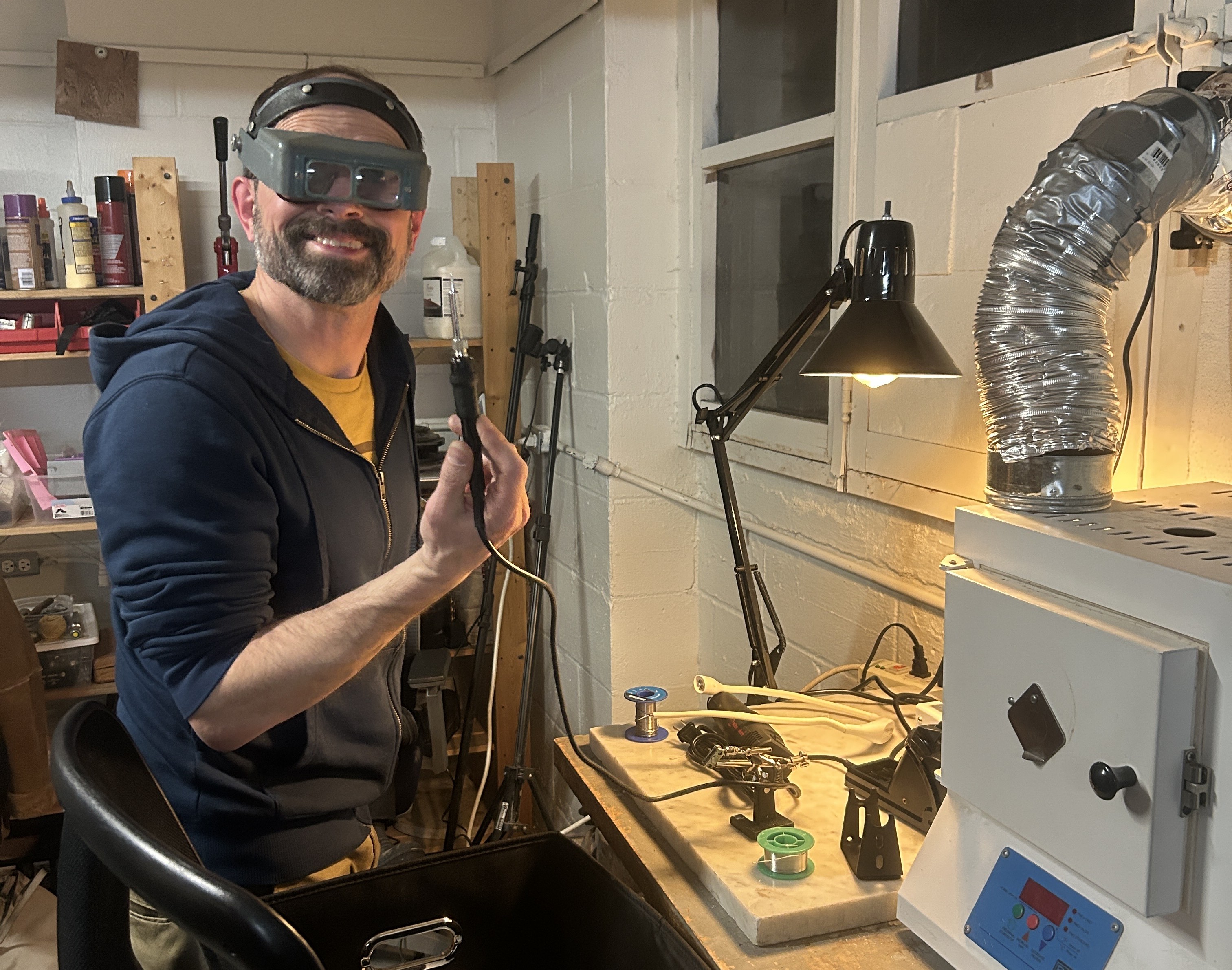
Maria Jensen, our e-Waste Organizer, is putting her industry experience in electronics recycling to use in Clean Water Fund’s eReuse Project, funded by the Minnesota Pollution Control Agency (MPCA).
The eReuse Project attacks e-waste in three different ways.
The first initiative involves is to get into the community and repair people’s electronics for FREE, prolonging the life of these devices and keeping them out of the waste stream.
Over the next 22 months, we’ll be hosting “fix-it clinics” every Tuesday night in Minneapolis for folks to bring in their electronics in need of repair. The Twin Cities has a culture of hosting fix-it clinics, and we’re filling a prevailing need for more electronics repair capacity. Our clinics will have expert electronic technicians equipped with a fully furnished electronics repair lab!
The second approach is an educational campaign to make Minnesotans aware of the importance of reuse and acquainted with repair resources in their community, which Maria will be heading. This will include gathering signatures on an “e-Reuse Pledge,” inviting Minnesotans to commit to two pledges: first, trying to repair the next electronic device that breaks in their household instead of throwing it away; and second, looking for a refurbished option the next time they are shopping for an electronic device.
We are also working with University of Minnesota interns to create social media content to engage young Minnesotans in the topic of electronics repair. They will track the data on all social media posts and make an analysis of what themes and media types reach the biggest audience.
All successes and learnings will be shared with the Minnesota Pollution Control Agency for use in future educational efforts.
For the final initiative, Maria is facilitating an innovative partnership between two electronic recycling and repair companies to redirect 112,000 pounds of electronic waste annually away from recyclers and landfills, putting them back into the community via repair!
Historically, electronic waste would be shipped to another state for recycling, but the eReuse Project has kicked off a material-sharing partnership with Free Geek and Minnesota Tech for Success, both based in Minneapolis, to give new life to old electronics. Reuse is the best option for the environment and for our clean water, after all.
Additionally, Minnesota Tech for Success is building their internal capacity for repair, using grant funds for new work benches, software, and tools necessary for repairing Apple products – something they previously were unable to do.