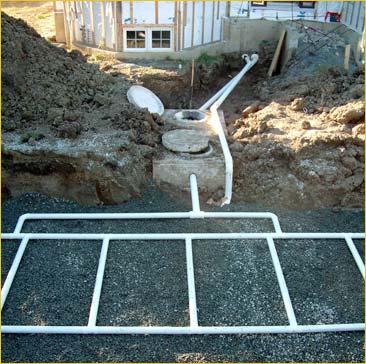
Septic systems are a critical piece of infrastructure that treats the wastewater coming off individual properties, so it is less hazardous to human health and the environment. It is critical that they are functioning, but because they are buried in the yard it is easy for them to silently fail and go unnoticed.
Pathogens from septic systems are a problem, and we want to catch them before they pollute surface water and drinking water. An evaluation of data from the CDC’s Waterborne Disease and Outbreak Surveillance System found that septic systems contributed to 67% of reported outbreaks from groundwater contamination from 1971 to 2008. Nearby in Virginia, an e. coli outbreak at Lake Anna was linked back to septic systems. In Michigan, microbial source tracking linked 66% of beach closures to human sewage.
Other states and jurisdictions have found that requiring periodic inspections of septic systems is an effective tool to catch these failing septic systems earlier, protecting human health and the environment from untreated waste. Delegate Guyton and Senator Brooks are introducing a bill this year that would require a septic system inspection when a home is sold or at least every three years when a home gets a new tenant.
We know this approach works! In fact, in the first six years of implementing their ordinances requiring inspections when a home is transferred to a new owner, the counties found 1,000 failed septic systems and 300 homes without any septic system.