Take Action
Tell your local officials to protect children, public health, animals, and the environment by prohibiting artificial turf in your community.
Artificial turf fields contain up to 440,000 pounds of plastic each. Like 99% of plastics, these materials are made from petroleum-based chemicals and can include harmful additives.
Unlike natural grass, artificial turf does not biodegrade. Instead, it breaks down over time into microplastics and nanoplastics due to heat, cold, and everyday wear. These particles can spread into our air, soil, and waterways - posing risks to both human health and ecosystems.
Research shows that athletes are more likely to experience certain injuries on artificial turf compared to natural grass. At the same time, microplastics have been detected throughout the human body and are increasingly linked to serious health concerns.
Plastic production has surged in recent decades and is projected to double again by 2040. Without action, there could be more plastic than fish in the oceans by 2050.
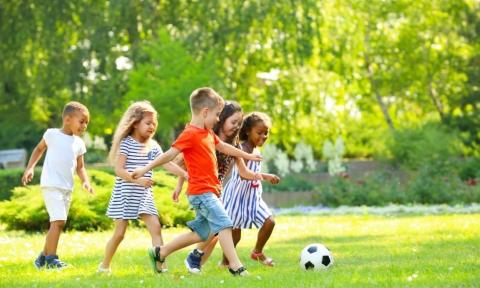
Reducing unnecessary plastic use is critical - and artificial turf is a major, avoidable source. Choosing natural grass helps protect our children, reduces pollution, and supports healthier communities.
Even elite organizations like the FIFA World Cup and U.S. national soccer teams require natural grass fields for play. Our children deserve the same safe conditions - not exposure to toxic, plastic surfaces.
Model Artificial Turf Ordinance
If you are a NJ Mayor or Councilperson ready to adopt an artificial turf ordinance in your town, we have a model ordinance.
Download the Artificial Turf Ordinance (PDF) Here
Articial Turf Fact Sheet
Learn more here - coming soon!