
The Lesbian Land Movement: A Forgotten Chapter of Environmental History
During the 1970s, a growing number of lesbian feminists left cities and suburbs and moved to rural areas across the United States. Part of a broader "back-to-the-land" movement, these women sought to create communities where they could live more independently and build supportive networks.
Read More
Filter By:
Cleaning Up Our Air By Cleaning Transportation
The best way to protect our health from the harms of pollution is to prevent pollution in the first place. That’s why Clean Water Action is so excited to advocate for the Transportation Climate Initiative (TCI), which Connecticut joined along with nine other states last year. TCI is a regional
Read More


How to Join #GivingTuesdayNow to Support Clean Water
Clean Water Action and Clean Water Fund are joining with other nonprofits to mobilize a national day of giving. Ordinarily, this event happens in late November or early December but the need for action is too urgent to wait. #GivingTuesdayNow May 5, 2020, spotlights the work of great 501-c-3
Read More
Giving Food Waste a Second Life
Amidst this time of hardship and uncertainty, we bring you some good news: Governor Murphy has signed a food waste recycling mandate (A2371/S865) that will help keep food waste out of landfills and implement more sustainable practices.
Read More


We Stand With Mashpee
Clean Water Action recognizes that Native people were the original stewards of this land and that the larger environmental movement must be allied and in solidarity with indigenous resistance.
Read More
Rebuilding New Jersey’s Budget and Environment for the Many
As our state heroically strives to meet this crisis with a too-small Rainy Day Fund and an underfunded budget, it is worth considering what type of budget choices New Jersey can make now that can support working families, our state’s economy, and our state’s environment as we move forward together.
Read More


Support Small Businesses in Their Time of Need
We love our partners in our ReThink Disposable program. Those businesses have worked hard to eliminate their use of single-use food ware by switching to reusable food ware, and have also helped to educate their customers about why it is so important to move away from our disposable culture. And we
Read More
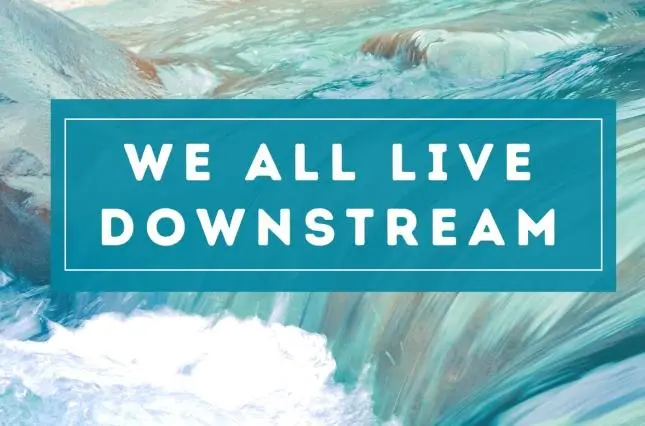
We All Live Downstream - Clean Water Action Podcast
Welcome to We All Live Downstream: a Clean Water Action Podcast available on Spotify, iTunes, Google Play or wherever you listen to your favorite podcasts.
Learn More
Stay Informed
Get the latest updates and actions:
Thanks for signing up!
There was a problem processing your signup. Please try again.